
TheRetroArcade
Veteran
Posts: 12,102
Joined: Feb 2026
Joined: Feb 2026
End of a finger-waggling era
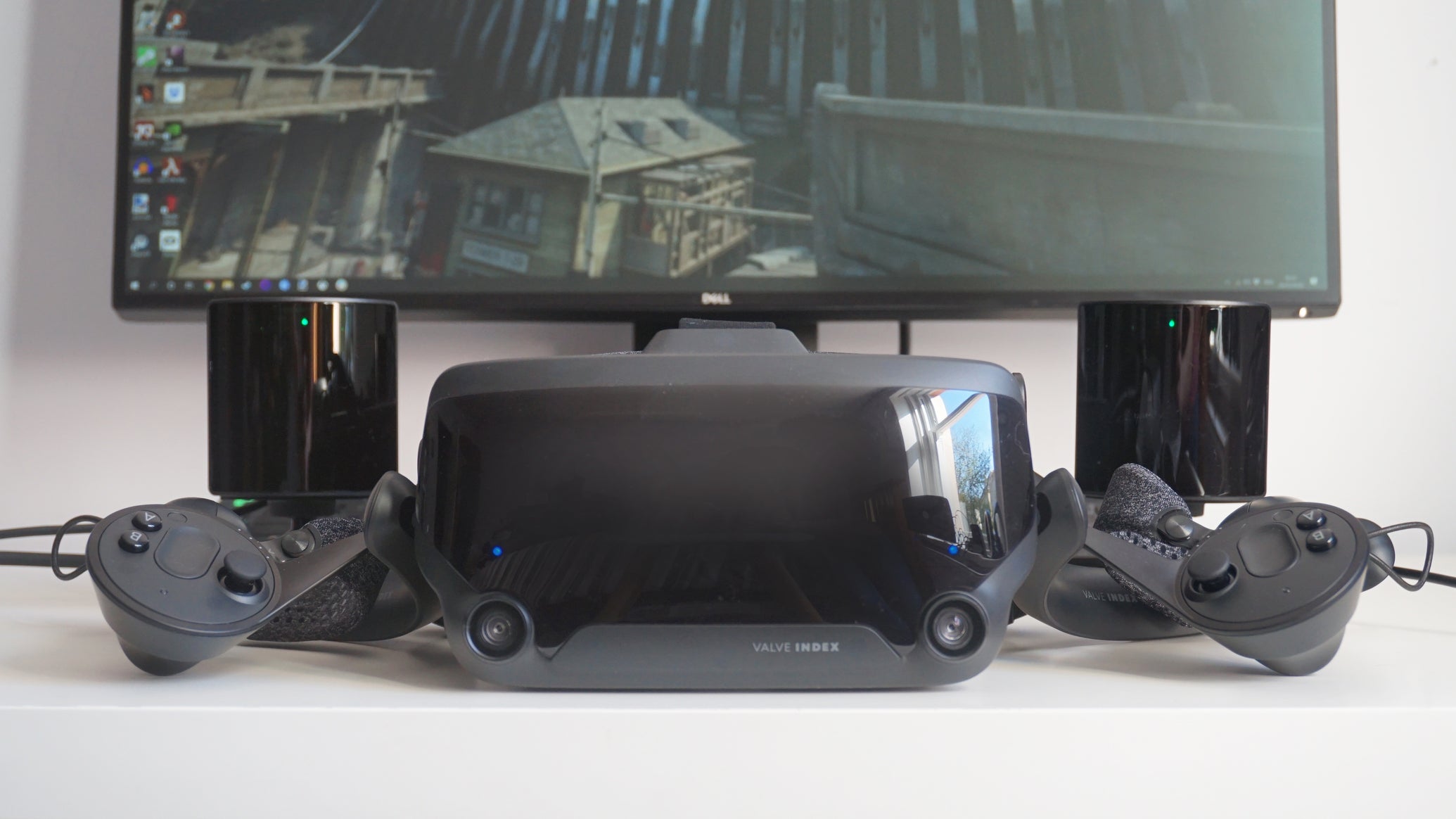
Valve have officially discontinued the Valve Index VR kit, launching a 20%-off sale on its headset and controllers to get rid of any lingering stock.
This was arguably an inevitable end, given the newer, more multitalented Steam Frame launched last month, with the Frame's memory-shortage-induced price hike failing to discourage enough orders to the extent that its waiting list now stretches into 2027. It's also, truth be told, not really an effective discount – buying the Index headset, both controllers, and two separate (yet essential) HTC-made base stations totals £1,027. Which isn't just more than an entry-spec Frame, but more than the £919 that the full Index kit originally launched at.
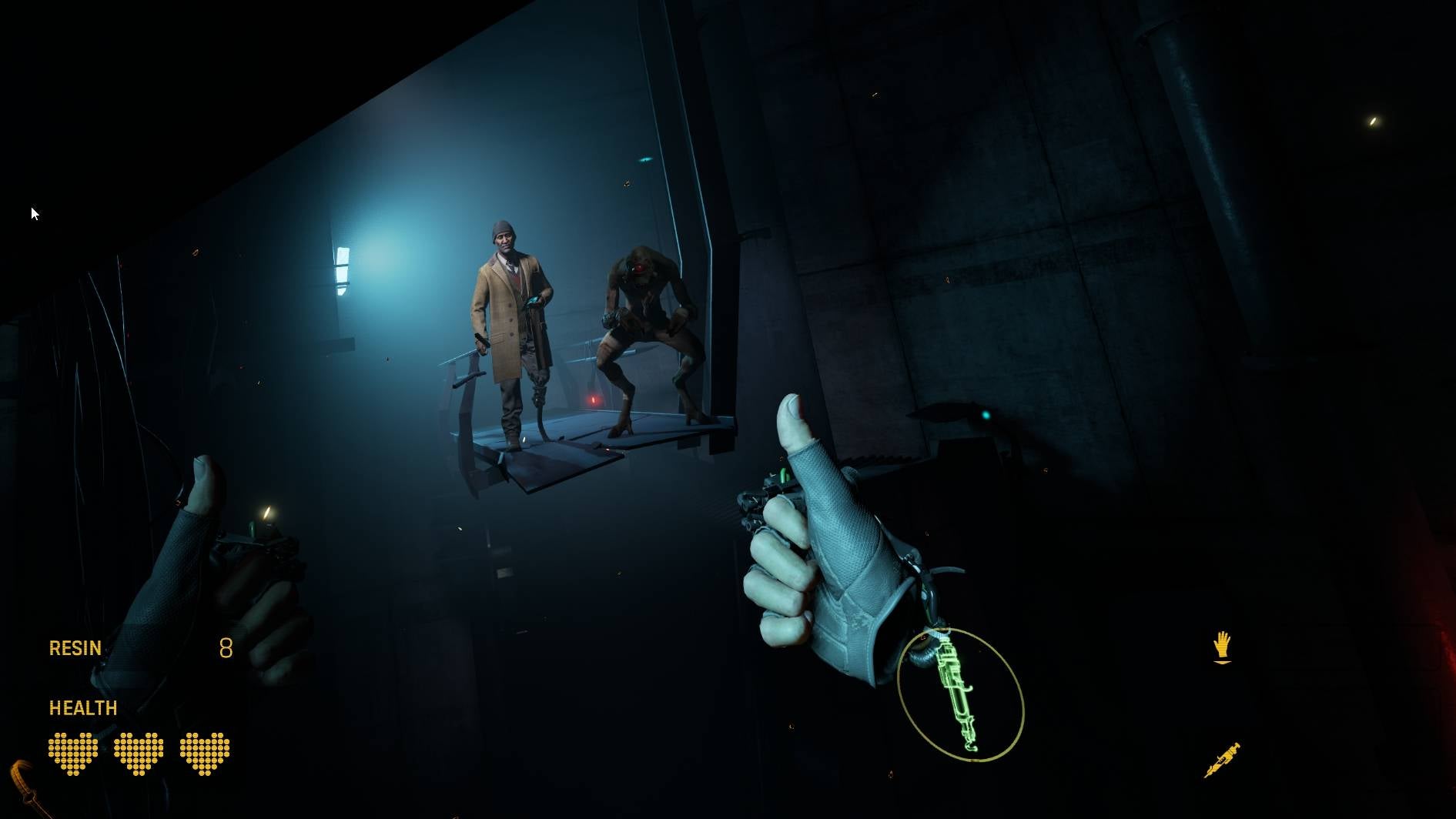
Still, the Index is deserving of a friendly wave goodbye. Launched in 2019, in an age of VR before the capital-M Metaverse and Palmer Luckey going full death cultist, the Index's quiet comforts – stuff like the widened FOV and unusually adjustable headset straps - made it a fine addition to the virtual reality hardware of the time. Its true legacy, though, lies in its introduction of individual finger tracking. Long had VR games allowed, and indeed demanded, you wave your hands around or perform full fist grabs, but the Index enabled something much more like actual human expression. A cheery thumbs-up. A dismissive V-flicking. Finger guns, all the way down. If anyone who's ever played Half-Life: Alyx says they didn't spend at least a few moments throwing signs on that opening balcony, they're lying.

Today, the VR space perhaps isn't quite as busy and bustling, but some form of fingery-pokery has become standard among the hardware. Even if nothing else has ever gone as hard on it as the Index's 'Knuckles' controllers, with the Meta Quest 3 only able to handle basic gestures and even the Steam Frame's finger sensors not quite matching up on accuracy.
In this writer's view, that's an acceptable cost for the Frame's advances elsewhere; VR gear has moved away from lighthouses and tangling cables for good reasons. But it'll be worth remembering, now and then, that VR digits look and behave like real ones because the Index quite literally had a hand in it. See you, face cowboy.
Rock Paper Shotgun is better when you sign in
Sign in and join us on our journey to discover strange and compelling PC games.Read more: Full article on www.rockpapershotgun.com
What do you think about this?
Valve have officially discontinued the Valve Index VR kit, launching a 20%-off sale on its headset and controllers to get rid of any lingering stock.
This was arguably an inevitable end, given the newer, more multitalented Steam Frame launched last month, with the Frame's memory-shortage-induced price hike failing to discourage enough orders to the extent that its waiting list now stretches into 2027. It's also, truth be told, not really an effective discount – buying the Index headset, both controllers, and two separate (yet essential) HTC-made base stations totals £1,027. Which isn't just more than an entry-spec Frame, but more than the £919 that the full Index kit originally launched at.
Still, the Index is deserving of a friendly wave goodbye. Launched in 2019, in an age of VR before the capital-M Metaverse and Palmer Luckey going full death cultist, the Index's quiet comforts – stuff like the widened FOV and unusually adjustable headset straps - made it a fine addition to the virtual reality hardware of the time. Its true legacy, though, lies in its introduction of individual finger tracking. Long had VR games allowed, and indeed demanded, you wave your hands around or perform full fist grabs, but the Index enabled something much more like actual human expression. A cheery thumbs-up. A dismissive V-flicking. Finger guns, all the way down. If anyone who's ever played Half-Life: Alyx says they didn't spend at least a few moments throwing signs on that opening balcony, they're lying.
Today, the VR space perhaps isn't quite as busy and bustling, but some form of fingery-pokery has become standard among the hardware. Even if nothing else has ever gone as hard on it as the Index's 'Knuckles' controllers, with the Meta Quest 3 only able to handle basic gestures and even the Steam Frame's finger sensors not quite matching up on accuracy.
In this writer's view, that's an acceptable cost for the Frame's advances elsewhere; VR gear has moved away from lighthouses and tangling cables for good reasons. But it'll be worth remembering, now and then, that VR digits look and behave like real ones because the Index quite literally had a hand in it. See you, face cowboy.
Rock Paper Shotgun is better when you sign in
Sign in and join us on our journey to discover strange and compelling PC games.Read more: Full article on www.rockpapershotgun.com
What do you think about this?