
TheRetroArcade
Veteran
Posts: 10,765
Joined: Feb 2026
Joined: Feb 2026
"We admitted to staff that this was crunch…"
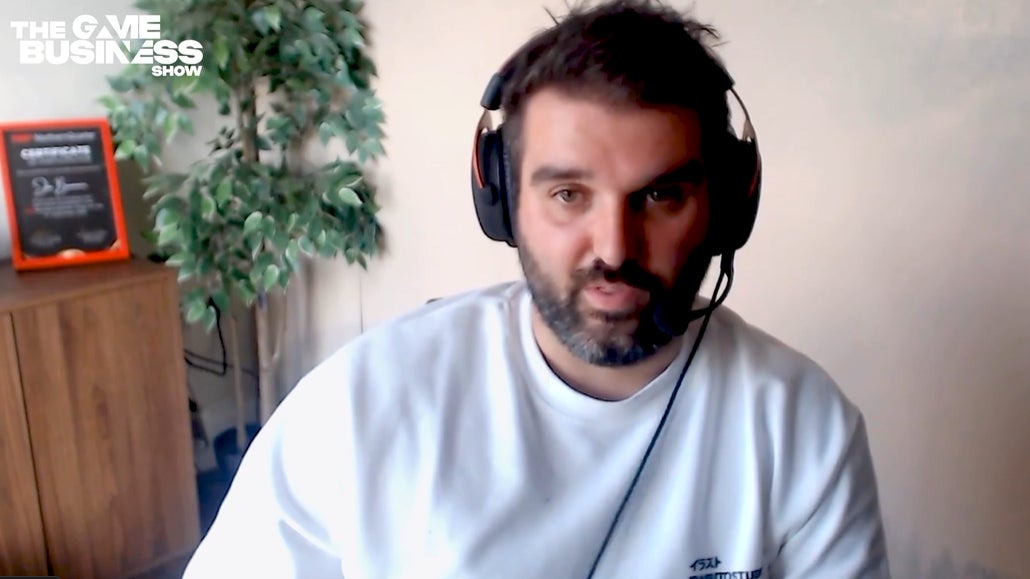
Joe Brammer, CEO of Bulkhead, the developer behind The Turing Test, Battalion 1944, and now the hugely successful new release Wardogs, has found himself in somewhat hot water, following a revealing interview where he discussed work culture at the UK studio.
After a day of heated social media debate and an initial response via X, Brammer has now issued a statement to Eurogamer. In it, he explains the exact nature of the studio's "crunch" practices, and clarifies that his mention of monitoring the social media of potential applicants to the studio - a potential legal grey area in the UK - was a case of "speaking informally about our culture".
To rewind a little, the response to Brammer's comments began following his recent appearance on The Game Business, where he discussed a number of topics around the culture and running of the Bulkhead studio and, when the conversation shifted to crunch, revealed he expects his team to do so where necessary.
"A lot of people who may have an issue with crunch - rightly so, I understand that issue, we always try and avoid it, but we don't hide that this is going to happen at some point," he told podcast host Chris Dring. "[Those people] often don't make it in the door, because we want to be known for that: this is a place you come to work hard. If you care about the work you're making and the result of what you make here, this is a place to work. You'll feel really valued. If you don't, you will feel slave-driven," Brammer explained. "It's a constant to-and-fro with that."
"But we will check people's socials, and if you're constantly tweeting anti-crunch messaging: 'This should never ever be a thing', we know that and go, 'Look, you're not going to be happy here, so we're not going to go with you'."

Perhaps unsurprisingly, those comments then caused something of a backlash.
In response, Brammer said on X the articles covering his comments had taken them "out of context", specifically singling out a PC Gamer article, for its use of the word "mandatory" to describe crunch at the studio.
"No information says mandatory, they made this up," said Brammer, before going on to list a number of other "facts" - some of which were discussed in the interview, such as having a four-day work week for half of the game's development time, 80 percent of shares being owned by 50 percent of staff, "everyone" at the studio being given the month of December off work, and that the studio "made a game you like and our staff will be rewarded for it accordingly".
"We made that choice, don't take it out of context, watch the whole interview here to make up your own mind," he added on X.
While Brammer may not have explicitly said crunch at Bulkead was "mandatory", earlier in his interview with The Game Business he did state that it's a known expectation of his. When asked about his forthright approach to public communication, he said: "At Bulkhead and online, people know what I believe. They know I don't believe in work from home for making video games. They know I don't stand for that. They know I expect people to crunch. I own that. I don't try and hide it."
"That doesn't mean that we also didn't try and do the four-day work week and make workplaces better. They know I care about my team and my very team," he went on.
Crunch is an especially thorny topic amongst those who work in video games today, with the industry having a long history of normalising the practice of enforced, or otherwise heavily implied, overtime. Years of reporting has revealed a trend of labour exploitation at several high-profile studios, from CD Projekt Red to Rockstar Games, and a culture of mandating crunch ahead of major milestones at studios such as Naughty Dog. While in many cases crunch is not explicitly mandated, reporting has consistently evidenced that personal passion or other forms of internal pressure can be weaponised to get people to work longer hours. Many studios, incl...Read more: Full article on www.eurogamer.net
What do you think about this?
Joe Brammer, CEO of Bulkhead, the developer behind The Turing Test, Battalion 1944, and now the hugely successful new release Wardogs, has found himself in somewhat hot water, following a revealing interview where he discussed work culture at the UK studio.
After a day of heated social media debate and an initial response via X, Brammer has now issued a statement to Eurogamer. In it, he explains the exact nature of the studio's "crunch" practices, and clarifies that his mention of monitoring the social media of potential applicants to the studio - a potential legal grey area in the UK - was a case of "speaking informally about our culture".
To rewind a little, the response to Brammer's comments began following his recent appearance on The Game Business, where he discussed a number of topics around the culture and running of the Bulkhead studio and, when the conversation shifted to crunch, revealed he expects his team to do so where necessary.
"A lot of people who may have an issue with crunch - rightly so, I understand that issue, we always try and avoid it, but we don't hide that this is going to happen at some point," he told podcast host Chris Dring. "[Those people] often don't make it in the door, because we want to be known for that: this is a place you come to work hard. If you care about the work you're making and the result of what you make here, this is a place to work. You'll feel really valued. If you don't, you will feel slave-driven," Brammer explained. "It's a constant to-and-fro with that."
"But we will check people's socials, and if you're constantly tweeting anti-crunch messaging: 'This should never ever be a thing', we know that and go, 'Look, you're not going to be happy here, so we're not going to go with you'."
Perhaps unsurprisingly, those comments then caused something of a backlash.
In response, Brammer said on X the articles covering his comments had taken them "out of context", specifically singling out a PC Gamer article, for its use of the word "mandatory" to describe crunch at the studio.
"No information says mandatory, they made this up," said Brammer, before going on to list a number of other "facts" - some of which were discussed in the interview, such as having a four-day work week for half of the game's development time, 80 percent of shares being owned by 50 percent of staff, "everyone" at the studio being given the month of December off work, and that the studio "made a game you like and our staff will be rewarded for it accordingly".
"We made that choice, don't take it out of context, watch the whole interview here to make up your own mind," he added on X.
While Brammer may not have explicitly said crunch at Bulkead was "mandatory", earlier in his interview with The Game Business he did state that it's a known expectation of his. When asked about his forthright approach to public communication, he said: "At Bulkhead and online, people know what I believe. They know I don't believe in work from home for making video games. They know I don't stand for that. They know I expect people to crunch. I own that. I don't try and hide it."
"That doesn't mean that we also didn't try and do the four-day work week and make workplaces better. They know I care about my team and my very team," he went on.
Crunch is an especially thorny topic amongst those who work in video games today, with the industry having a long history of normalising the practice of enforced, or otherwise heavily implied, overtime. Years of reporting has revealed a trend of labour exploitation at several high-profile studios, from CD Projekt Red to Rockstar Games, and a culture of mandating crunch ahead of major milestones at studios such as Naughty Dog. While in many cases crunch is not explicitly mandated, reporting has consistently evidenced that personal passion or other forms of internal pressure can be weaponised to get people to work longer hours. Many studios, incl...Read more: Full article on www.eurogamer.net
What do you think about this?