
TheRetroArcade
Veteran
Posts: 10,547
Joined: Feb 2026
Joined: Feb 2026
The prologue promises something the game never quite delivers.
When you purchase through links on our site, we may earn an affiliate commission. Here’s how it works.
Welcome to Dungeon Master, PC Gamer's regular RPG column, where Online Editor Fraser Brown delves into PC gaming's most beloved and enduring genre. Grab a seat in our badly-lit tavern and please ignore the goblin puke.
The Blood of Dawnwalker is good stuff—over the course of a week I drank deeply and had a grand ol' time walking on walls and carving people up with my monstrous claws. But as a choice-laden RPG that promised a lot of agency, it ended up being a bit of a disappointment. There were plenty of choices to be made, but rarely did they leave an impact on either the world or the white bread protagonist, Coen of Laslea.
Rebel Wolves made Coen in the mold of Geralt of Rivia, in that he's a defined character who you can nudge in different directions, but Coen is no Geralt.
By The Witcher 3, CDPR had the two previous games to lean on, along with a boat-load of books, which helped the studio create a well-defined, consistent character no matter what choices you made. Coen, on the other hand, is just at the start of his journey, and in Dawnwalker, his defining feature is that he loves his family.
Look, I don't mind Coen. Will de Renzy-Martin gave a good performance, but it's hard to do much with a character who's just a nice boy. And while the writers did some interesting stuff in regards to Coen's childhood trauma and his obligation to his family—is it love, or is he trapped in a prison of responsibility?—he's mostly just a pleasant dude.
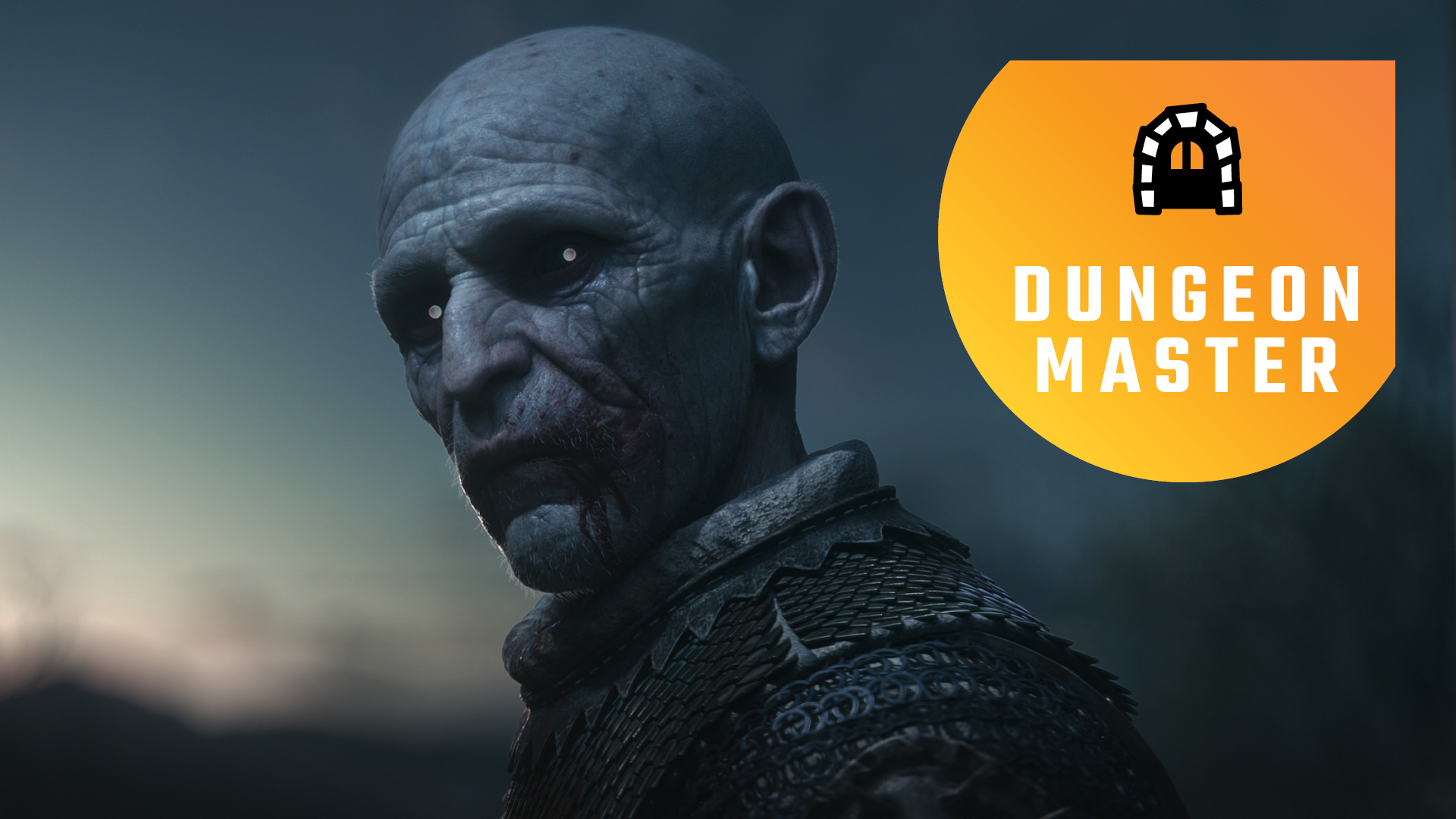
The choices players face fall into the traditional binary category, which in this case means you can either choose a Coen who is willing to do everything to save his family except become a monster, or a Coen who is willing to do everything to save his family including becoming a monster—but is still mostly a good egg.
Unfortunately, this changes surprisingly little. If you let a vrakhir collaborator go free or murder them, it might change how you feel about the character you're playing, but the world itself couldn't care less. Until the epilogue, most choices you make happen in the background, in a vacuum, and the choices you'd expect to have the greatest impact, like how you choose to defeat Brencis, are largely detached from the kind of Coen you've been playing for 40 hours.
I played Coen as wholesome and naive, but I still found myself able to get every ending. It just came down to which route to Brencis I decided to settle on at the last moment. How I comported myself had no impact. And even though I tried to be consistent when it came to how I roleplayed Coen, the voice direction would often take things in a very different direction, transforming, for instance, what appeared to be a neutral statement into an angry criticism.
Keep up to date with the most important stories and the best deals, as picked by the PC Gamer team.
This is something that often bugs me in voice-acted RPGs. The acting and direction can dramatically change the tone of a line in a way that feels incongruous to the rest of the conversation, and this happens so much in Dawnwalker. It's something CDPR deftly resolved in The Witcher by making Geralt incredibly stoic. Doug Cockle has plenty of range, but when he's playing Geralt it's extremely subtle, which maintains the consistency of each dialogue sequence.
But Dawnwalker has something most RPGs don't: a ticking clock. And while the most obvious benefit is the sense of urgency it blesses the game with, it also seemed like a promising roleplaying mechanic—helping players to better define their version of Coen by determining what's most important to him.
This is felt most keenly in the prologue, before Coen becomes a dawnwalker. You have one day to do some chores before everyone in the village has to visit the church to get drained by their undead rulers. It's impossible to do everything. Do yo...Read more: Full article on www.pcgamer.com
What do you think about this?
When you purchase through links on our site, we may earn an affiliate commission. Here’s how it works.
Welcome to Dungeon Master, PC Gamer's regular RPG column, where Online Editor Fraser Brown delves into PC gaming's most beloved and enduring genre. Grab a seat in our badly-lit tavern and please ignore the goblin puke.
The Blood of Dawnwalker is good stuff—over the course of a week I drank deeply and had a grand ol' time walking on walls and carving people up with my monstrous claws. But as a choice-laden RPG that promised a lot of agency, it ended up being a bit of a disappointment. There were plenty of choices to be made, but rarely did they leave an impact on either the world or the white bread protagonist, Coen of Laslea.
Rebel Wolves made Coen in the mold of Geralt of Rivia, in that he's a defined character who you can nudge in different directions, but Coen is no Geralt.
By The Witcher 3, CDPR had the two previous games to lean on, along with a boat-load of books, which helped the studio create a well-defined, consistent character no matter what choices you made. Coen, on the other hand, is just at the start of his journey, and in Dawnwalker, his defining feature is that he loves his family.
Look, I don't mind Coen. Will de Renzy-Martin gave a good performance, but it's hard to do much with a character who's just a nice boy. And while the writers did some interesting stuff in regards to Coen's childhood trauma and his obligation to his family—is it love, or is he trapped in a prison of responsibility?—he's mostly just a pleasant dude.
The choices players face fall into the traditional binary category, which in this case means you can either choose a Coen who is willing to do everything to save his family except become a monster, or a Coen who is willing to do everything to save his family including becoming a monster—but is still mostly a good egg.
Unfortunately, this changes surprisingly little. If you let a vrakhir collaborator go free or murder them, it might change how you feel about the character you're playing, but the world itself couldn't care less. Until the epilogue, most choices you make happen in the background, in a vacuum, and the choices you'd expect to have the greatest impact, like how you choose to defeat Brencis, are largely detached from the kind of Coen you've been playing for 40 hours.
I played Coen as wholesome and naive, but I still found myself able to get every ending. It just came down to which route to Brencis I decided to settle on at the last moment. How I comported myself had no impact. And even though I tried to be consistent when it came to how I roleplayed Coen, the voice direction would often take things in a very different direction, transforming, for instance, what appeared to be a neutral statement into an angry criticism.
Keep up to date with the most important stories and the best deals, as picked by the PC Gamer team.
This is something that often bugs me in voice-acted RPGs. The acting and direction can dramatically change the tone of a line in a way that feels incongruous to the rest of the conversation, and this happens so much in Dawnwalker. It's something CDPR deftly resolved in The Witcher by making Geralt incredibly stoic. Doug Cockle has plenty of range, but when he's playing Geralt it's extremely subtle, which maintains the consistency of each dialogue sequence.
But Dawnwalker has something most RPGs don't: a ticking clock. And while the most obvious benefit is the sense of urgency it blesses the game with, it also seemed like a promising roleplaying mechanic—helping players to better define their version of Coen by determining what's most important to him.
This is felt most keenly in the prologue, before Coen becomes a dawnwalker. You have one day to do some chores before everyone in the village has to visit the church to get drained by their undead rulers. It's impossible to do everything. Do yo...Read more: Full article on www.pcgamer.com
What do you think about this?