
TheRetroArcade
Veteran
Posts: 9,988
Joined: Feb 2026
Joined: Feb 2026
We're in the hands of the gods now.
When you purchase through links on our site, we may earn an affiliate commission. Here’s how it works.
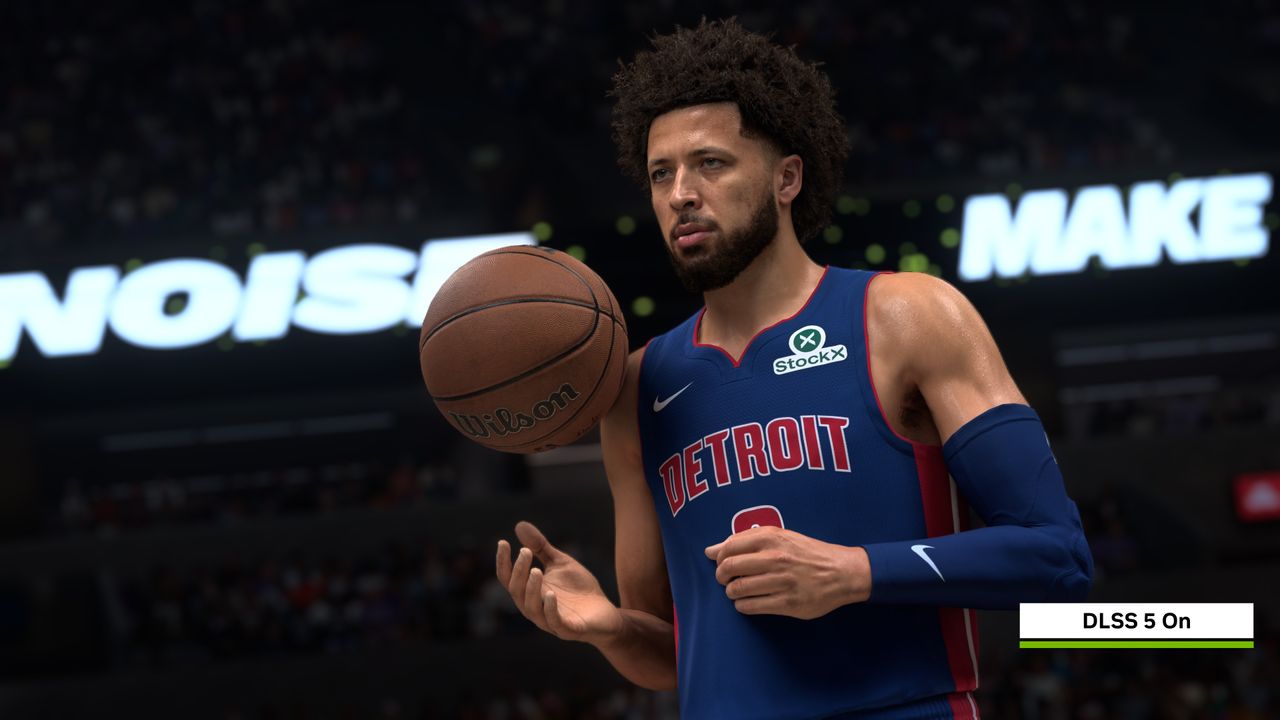
I think it's fair to say that DLSS 5 is the most controversial Nvidia creation… well, ever. After the huge amounts of backlash it received in reaction to its unveiling earlier this year, Nvidia's AI image enhancing tech has been mostly kept under lock and key.
However, myself and a select group of journalists were ushered into a small room in the Nvidia booth at Gamescom last week, amid some furtive glances and hushed whispering. As the lights went down, it became obvious as to why. Here was the latest version of DLSS 5 running in front of us, the controversial graphics tech in the flesh. And the message Nvidia wanted to get across was deliberate, and strongly put: It's all about developer control.
I was shown a character sitting within the Nvidia Zorah demo, the same shown at SIGGRAPH 2026 earlier this year. As he sat, looking around at his environment in a bored fashion, I leaned forward in my chair. DLSS 5 was obviously altering the image to a significant degree, but seeing the results in person, it was clear this was nowhere near the "yassified Grace" level of AI enhancement shown in the first reveal.
Our digital example, casually inspecting the back of his hand, looked a lot like the original character model—but with more photorealistic lighting, and plenty of finer details that seemed fitting for the scene. It was nowhere near as brash an image as I was expecting, I'll say that much for free.
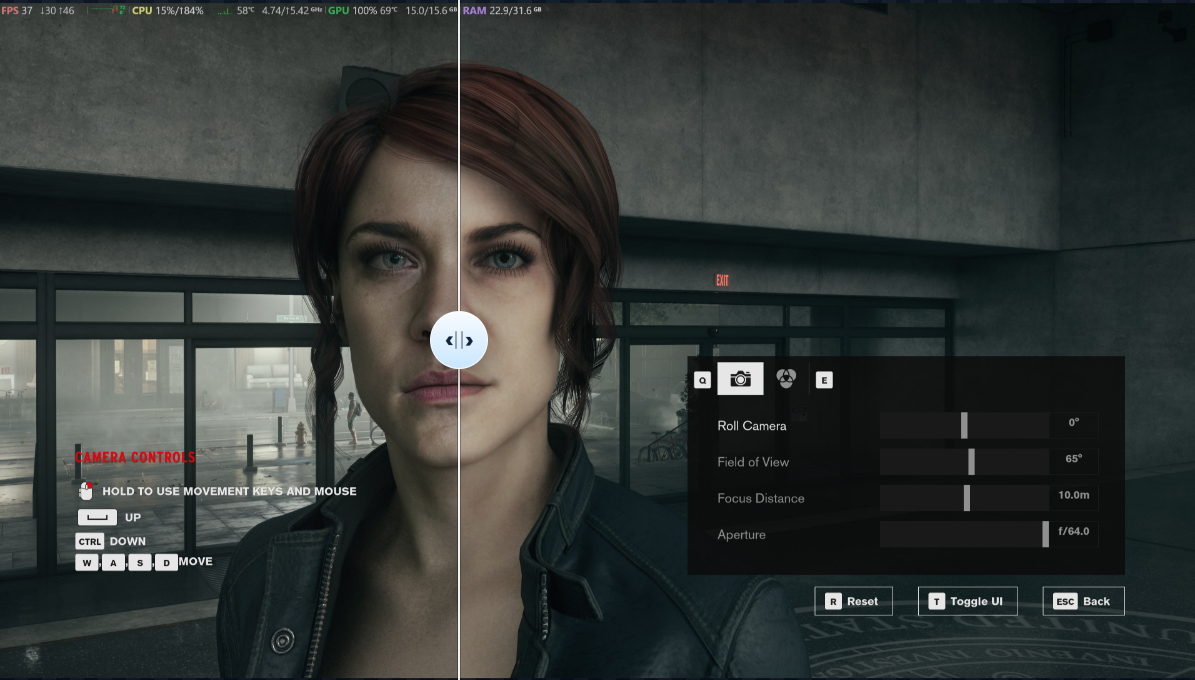
At the side of the screen was the DLSS 5 developer control menu. Two sliders, marked "structure intensity" and "tone intensity" were set somewhere around the midway mark—and at these settings, the character looked pretty damn good.
View Original
View Original
There are more tools for developers to play with, too. The masking feature allows devs to select individual items in a scene (say, a fruit bowl on a table) and give it the AI-enhanced treatment, while leaving everything else DLSS 5-free. The varying AI models can also be switched in and out (or on and off) on a whim.
According to Nvidia, the fine-tuning abilities of DLSS 5 are designed to be as developer-friendly as possible, allowing them to dip in and out of its features on a model-per-model basis to suit their artistic intent. Seeing the demo running in front of me with my own eyes, I could feel myself coming around to the idea. My arms uncrossed.
View Original
View Original
View Original
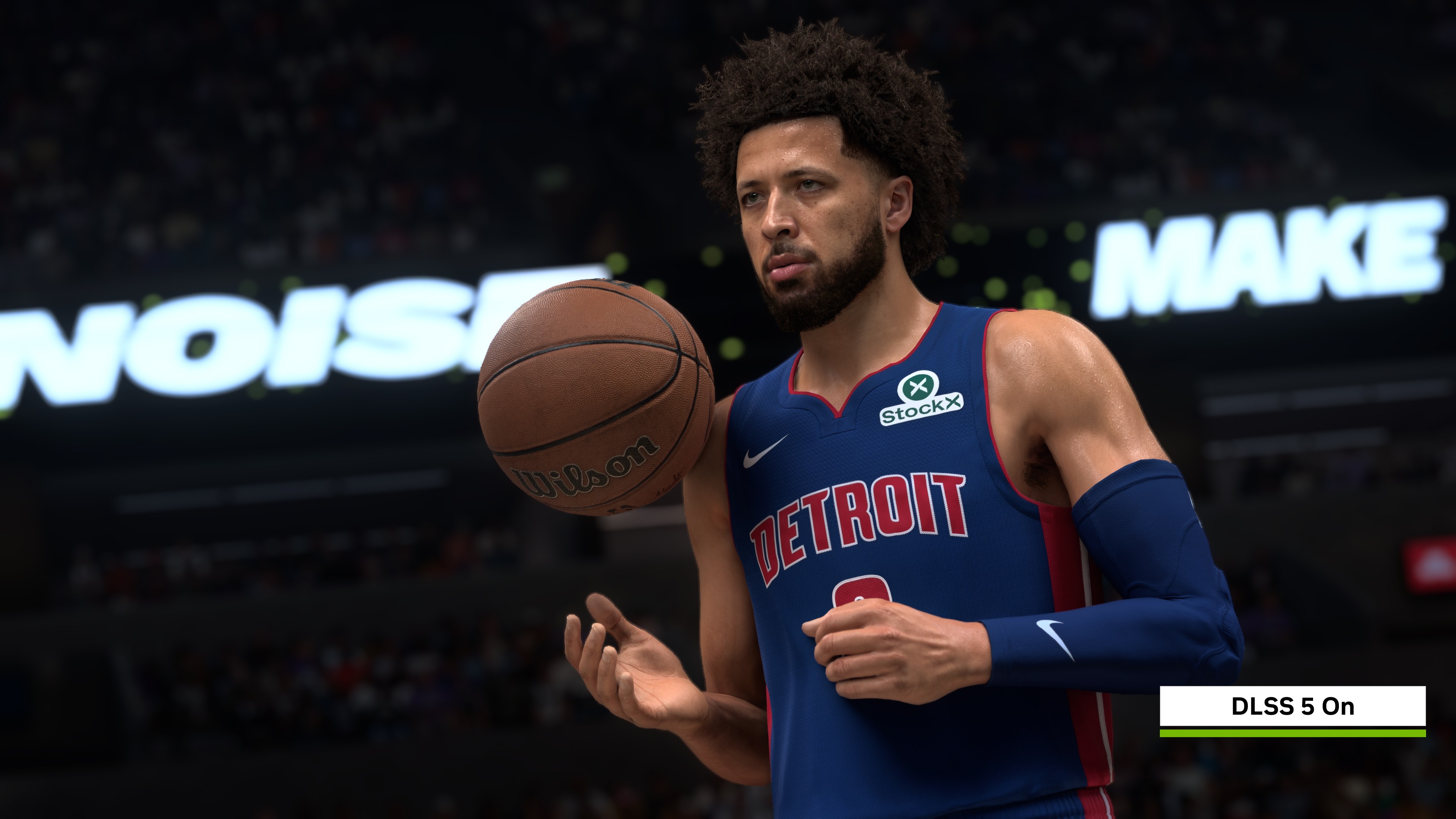
And then my hosts began messing with the sliders and the model presets, and an essential truth emerged. While a light dusting of DLSS 5 can cause a substantial visual leap in terms of photorealism, turning it up to 11 can still provoke an unwanted, gut-level reaction.
Turning DLSS 5 up to 11 can still provoke an unwanted, gut-level reaction
There are three image-transforming AI models for devs to choose from (at least in the demo I was shown): A, B, and C. While models A and C looked pretty good to me at various settings, model B made me wince when both sliders were pushed up. The HDR-like shadows became overblown, the skin textures too shiny, the facial features too keenly drawn.
To my eyes, characters with model B turned up can look substantially different from the model underneath, in a way that's reminiscent of the AI beauty filters we've all become far too familiar with. In short, it's still capable of giving me the ick.
View Original
View Original
I'll call it as I see it: DLSS 5 turned up to the guns, particularly using model B, can look downright ugly. But Nvidia's point makes a whole lot of sense. It's the developers, the artists behind the game, that choose how far to push the technology. If it oversteps the mark? Devs can adjust the settings and rein it back in, and you can turn it off entirely (separate from regular DLSS upscaling) if you disagree with their choices.
On that note, some Nvidia staff members I spoke to took...Read more: Full article on www.pcgamer.com
What do you think about this?
When you purchase through links on our site, we may earn an affiliate commission. Here’s how it works.
I think it's fair to say that DLSS 5 is the most controversial Nvidia creation… well, ever. After the huge amounts of backlash it received in reaction to its unveiling earlier this year, Nvidia's AI image enhancing tech has been mostly kept under lock and key.
However, myself and a select group of journalists were ushered into a small room in the Nvidia booth at Gamescom last week, amid some furtive glances and hushed whispering. As the lights went down, it became obvious as to why. Here was the latest version of DLSS 5 running in front of us, the controversial graphics tech in the flesh. And the message Nvidia wanted to get across was deliberate, and strongly put: It's all about developer control.
I was shown a character sitting within the Nvidia Zorah demo, the same shown at SIGGRAPH 2026 earlier this year. As he sat, looking around at his environment in a bored fashion, I leaned forward in my chair. DLSS 5 was obviously altering the image to a significant degree, but seeing the results in person, it was clear this was nowhere near the "yassified Grace" level of AI enhancement shown in the first reveal.
Our digital example, casually inspecting the back of his hand, looked a lot like the original character model—but with more photorealistic lighting, and plenty of finer details that seemed fitting for the scene. It was nowhere near as brash an image as I was expecting, I'll say that much for free.
At the side of the screen was the DLSS 5 developer control menu. Two sliders, marked "structure intensity" and "tone intensity" were set somewhere around the midway mark—and at these settings, the character looked pretty damn good.
View Original
View Original
There are more tools for developers to play with, too. The masking feature allows devs to select individual items in a scene (say, a fruit bowl on a table) and give it the AI-enhanced treatment, while leaving everything else DLSS 5-free. The varying AI models can also be switched in and out (or on and off) on a whim.
According to Nvidia, the fine-tuning abilities of DLSS 5 are designed to be as developer-friendly as possible, allowing them to dip in and out of its features on a model-per-model basis to suit their artistic intent. Seeing the demo running in front of me with my own eyes, I could feel myself coming around to the idea. My arms uncrossed.
View Original
View Original
View Original
And then my hosts began messing with the sliders and the model presets, and an essential truth emerged. While a light dusting of DLSS 5 can cause a substantial visual leap in terms of photorealism, turning it up to 11 can still provoke an unwanted, gut-level reaction.
Turning DLSS 5 up to 11 can still provoke an unwanted, gut-level reaction
There are three image-transforming AI models for devs to choose from (at least in the demo I was shown): A, B, and C. While models A and C looked pretty good to me at various settings, model B made me wince when both sliders were pushed up. The HDR-like shadows became overblown, the skin textures too shiny, the facial features too keenly drawn.
To my eyes, characters with model B turned up can look substantially different from the model underneath, in a way that's reminiscent of the AI beauty filters we've all become far too familiar with. In short, it's still capable of giving me the ick.
View Original
View Original
I'll call it as I see it: DLSS 5 turned up to the guns, particularly using model B, can look downright ugly. But Nvidia's point makes a whole lot of sense. It's the developers, the artists behind the game, that choose how far to push the technology. If it oversteps the mark? Devs can adjust the settings and rein it back in, and you can turn it off entirely (separate from regular DLSS upscaling) if you disagree with their choices.
On that note, some Nvidia staff members I spoke to took...Read more: Full article on www.pcgamer.com
What do you think about this?