
TheRetroArcade
Veteran
Posts: 10,796
Joined: Feb 2026
Joined: Feb 2026
Fail fast and break norms
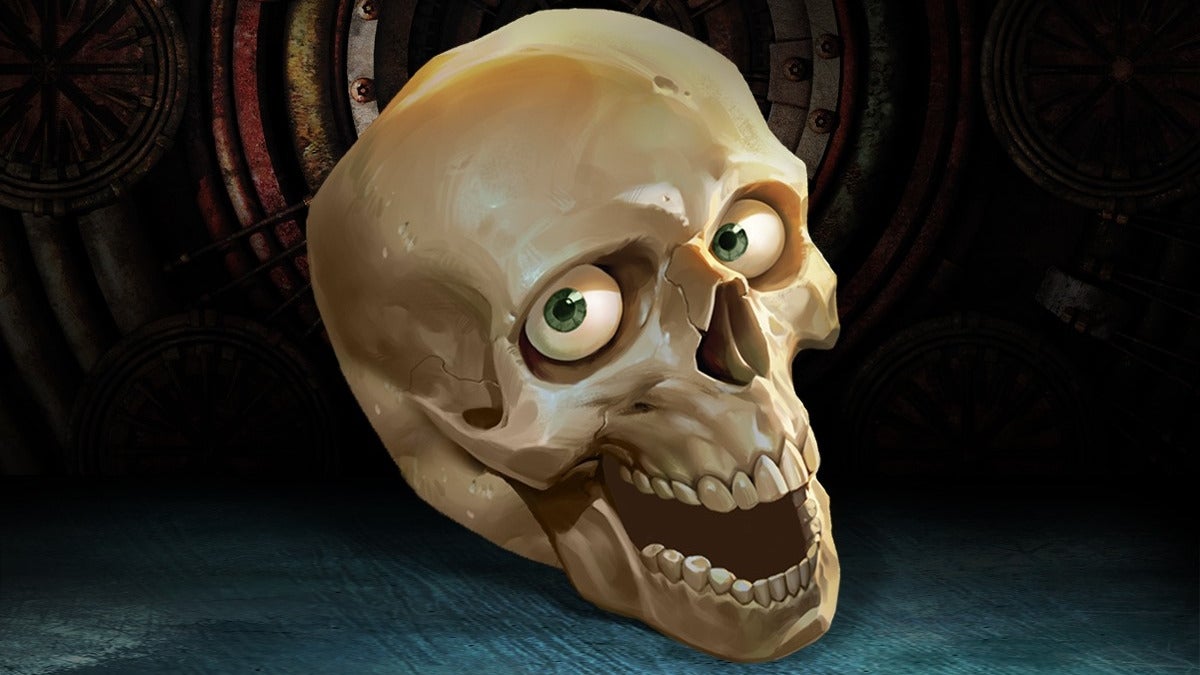
When it comes to RPGs, I am an irredeemable savescummer. I admit it. I'll slam F9 at the drop of a hat (perhaps the hat was dropped as a result of a failed dexterity roll. Unacceptable. Reload).
So when I recently found myself reloading a Divinity 2 save for the umpteenth time in a single session, I started to wonder - in a genre that's supposedly about storytelling first and foremost, why am I viewing botched persuasion checks as something to be studiously avoided? And why is it that I feel totally different about making a horrible mess of things in tabletop roleplaying games?
After all, some of my fondest memories of real-life roleplaying are moments of extravagant failure: sometimes of the bathetic stepping-on-a-rake-instead-of-slaying-the-necromancer variety, and sometimes of the much more grounded, human, and affecting type.
It all got me thinking: how do RPG developers think about player failure? Would they recognise the distinction between digital and tabletop that I'm describing? And can they convince a savescummer like me to renounce my ways?
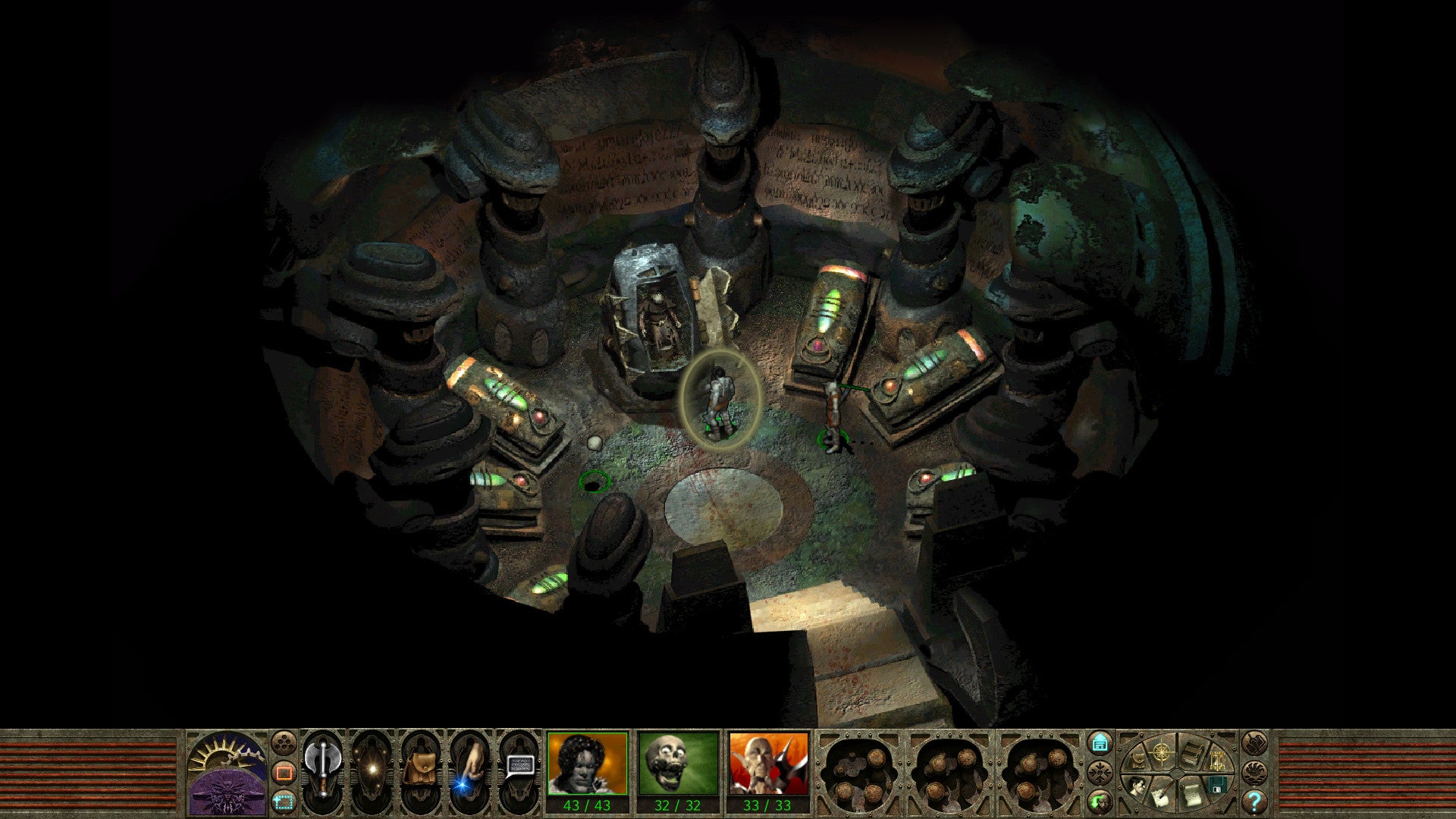
"Players of videogames tend not to react well to failure," Colin McComb tells me, whose credits include Fallout 2, Planescape: Torment, Baldur's Gate III, and Torment: Tides of Numenera. "They throw their controllers through the screen or flip the table – but they do that because they've been taught that a failed roll represents them screwing things up." This is especially true in combat, McComb explains, where the sensation of screwing up isn't just felt in narrative terms – it's reinforced by game systems that might see you lose gold or items or XP. Even the time lost when you're shunted back to a checkpoint can feel punitive. "So if we want to actually make player failure interesting and worthwhile in a computer game, we need to teach our players early on that the game will react to their failure, and it will change and branch and show them something cool and different and interesting."
"The first time I ever saw this done well was Planescape: Torment," adds George Ziets, lead designer on Wasteland 3, narrative designer on Pillars of Eternity, and writer on Fallout: New Vegas – as well as a designer on Torment's sequel, Tides of Numenera. "In your typical RPG at that time, if you were killed in combat it was game over and time to reload, right? Planescape: Torment turned that on its head by having players wake up in the mortuary, and characters would react to that. You got to experience narrative moments you never would have seen if you'd just reloaded after a failure, so you learn not to. You were motivated to keep going."
This emphasis on player expectations and motivations rings especially true to me. Going into these conversations, my own thesis was that player motivation may even be one of the key differences between digital and pen-and-paper RPGs. We tend to understand tabletop play as a shared enterprise – our motivation as players when we sit down to a session is to tell stories with our friends, to take turns as the centre of attention, to collaborate. But when we sit down to play a digital RPG, our motivation as players is often to beat the game, to dominate our adversaries, to win.
"Yeah I do agree with that," creator of the Citizen Sleeper games Gareth Damian Martin says. "But I think it's less that players inherently want to conquer digital games and more that those games tell us that victory is possible in every situation and that our power should be respected at all times. And I think that's one of my least favorite things about videogame RPGs – this sense of the player as some kind of supercop-slash-God, who gets to be the judge of everything with no problematization. You're the one who rocks up in town and says, 'well, I think we should hang that guy, not that guy.' And I think my favorite RPGs are the ones that really complicate that."
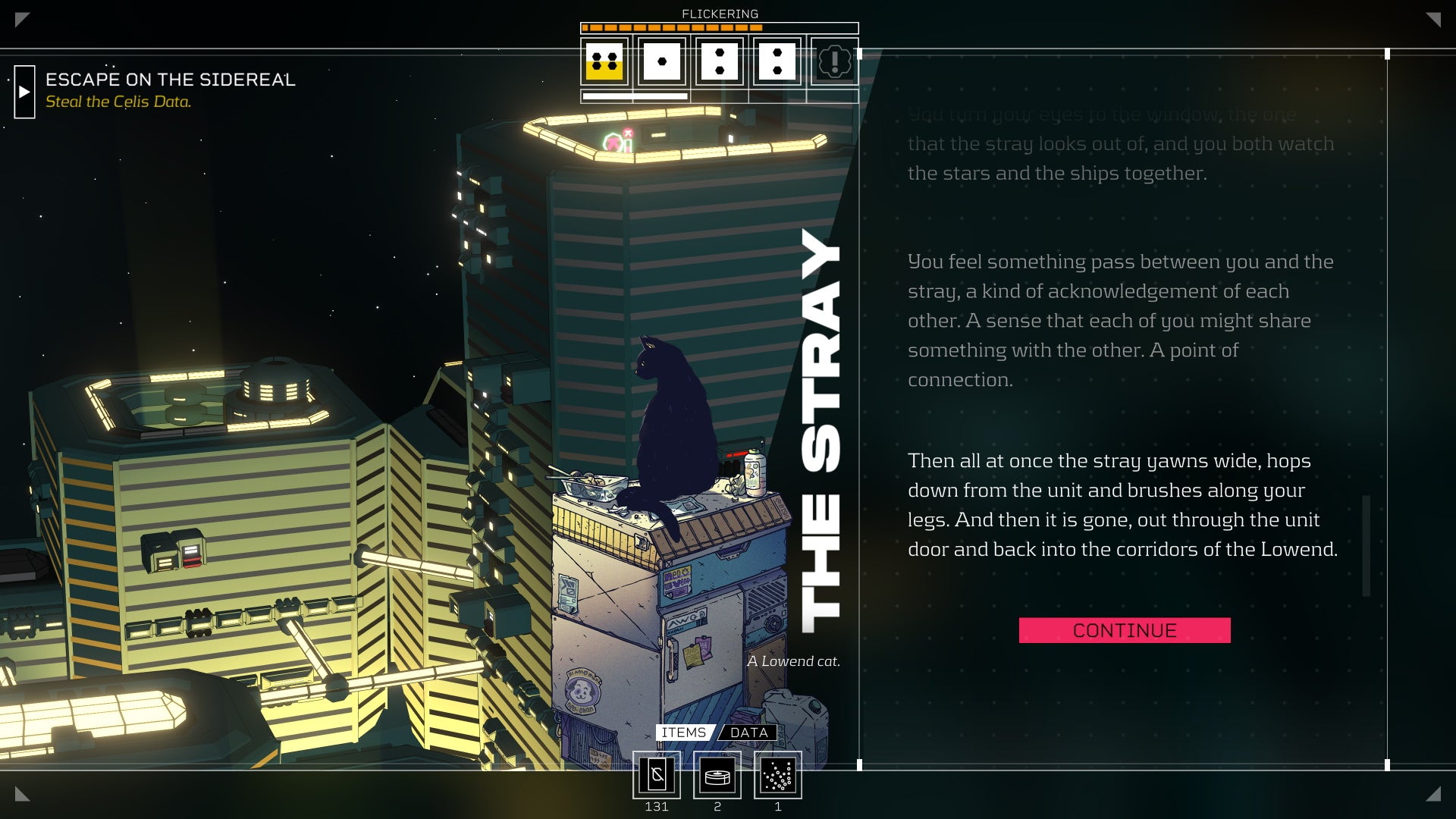
(Tackling 'super cop' syndrome in their next game, Signet City, is something Damian Martin...Read more: Full article on www.rockpapershotgun.com
What do you think about this?
When it comes to RPGs, I am an irredeemable savescummer. I admit it. I'll slam F9 at the drop of a hat (perhaps the hat was dropped as a result of a failed dexterity roll. Unacceptable. Reload).
So when I recently found myself reloading a Divinity 2 save for the umpteenth time in a single session, I started to wonder - in a genre that's supposedly about storytelling first and foremost, why am I viewing botched persuasion checks as something to be studiously avoided? And why is it that I feel totally different about making a horrible mess of things in tabletop roleplaying games?
After all, some of my fondest memories of real-life roleplaying are moments of extravagant failure: sometimes of the bathetic stepping-on-a-rake-instead-of-slaying-the-necromancer variety, and sometimes of the much more grounded, human, and affecting type.
It all got me thinking: how do RPG developers think about player failure? Would they recognise the distinction between digital and tabletop that I'm describing? And can they convince a savescummer like me to renounce my ways?
"Players of videogames tend not to react well to failure," Colin McComb tells me, whose credits include Fallout 2, Planescape: Torment, Baldur's Gate III, and Torment: Tides of Numenera. "They throw their controllers through the screen or flip the table – but they do that because they've been taught that a failed roll represents them screwing things up." This is especially true in combat, McComb explains, where the sensation of screwing up isn't just felt in narrative terms – it's reinforced by game systems that might see you lose gold or items or XP. Even the time lost when you're shunted back to a checkpoint can feel punitive. "So if we want to actually make player failure interesting and worthwhile in a computer game, we need to teach our players early on that the game will react to their failure, and it will change and branch and show them something cool and different and interesting."
"The first time I ever saw this done well was Planescape: Torment," adds George Ziets, lead designer on Wasteland 3, narrative designer on Pillars of Eternity, and writer on Fallout: New Vegas – as well as a designer on Torment's sequel, Tides of Numenera. "In your typical RPG at that time, if you were killed in combat it was game over and time to reload, right? Planescape: Torment turned that on its head by having players wake up in the mortuary, and characters would react to that. You got to experience narrative moments you never would have seen if you'd just reloaded after a failure, so you learn not to. You were motivated to keep going."
This emphasis on player expectations and motivations rings especially true to me. Going into these conversations, my own thesis was that player motivation may even be one of the key differences between digital and pen-and-paper RPGs. We tend to understand tabletop play as a shared enterprise – our motivation as players when we sit down to a session is to tell stories with our friends, to take turns as the centre of attention, to collaborate. But when we sit down to play a digital RPG, our motivation as players is often to beat the game, to dominate our adversaries, to win.
"Yeah I do agree with that," creator of the Citizen Sleeper games Gareth Damian Martin says. "But I think it's less that players inherently want to conquer digital games and more that those games tell us that victory is possible in every situation and that our power should be respected at all times. And I think that's one of my least favorite things about videogame RPGs – this sense of the player as some kind of supercop-slash-God, who gets to be the judge of everything with no problematization. You're the one who rocks up in town and says, 'well, I think we should hang that guy, not that guy.' And I think my favorite RPGs are the ones that really complicate that."
(Tackling 'super cop' syndrome in their next game, Signet City, is something Damian Martin...Read more: Full article on www.rockpapershotgun.com
What do you think about this?