
TheRetroArcade
Veteran
Posts: 1,957
Joined: Feb 2026
Joined: Feb 2026
Yet another entry for the annals of the memory crisis.
When you purchase through links on our site, we may earn an affiliate commission. Here’s how it works.
Keep up to date with the most important stories and the best deals, as picked by the PC Gamer team.
You are now subscribed
Your newsletter sign-up was successful
Want to add more newsletters?
Your weekly update on everything you could ever want to know about the games you already love, games we know you're going to love in the near future, and tales from the communities that surround them.
Our special GTA 6 newsletter, with breaking news, insider info, and rumor analysis from the award-winning GTA 6 O'clock experts.
From the creators of Edge: A weekly videogame industry newsletter with analysis from expert writers, guidance from professionals, and insight into what's on the horizon.
Hardware nerds unite, sign up to our free tech newsletter for a weekly digest of the hottest new tech, the latest gadgets on the test bench, and much more.
Sign up to our new Switch 2 newsletter, where we bring you the latest talking points on Nintendo's new console each week, bring you up to date on the news, and recommend what games to play.
Subscribe for a weekly digest of the movie and TV news that matters, direct to your inbox. From first-look trailers, interviews, reviews and explainers, we've got you covered.
Get sneak previews, exclusive competitions and details of special events each month!
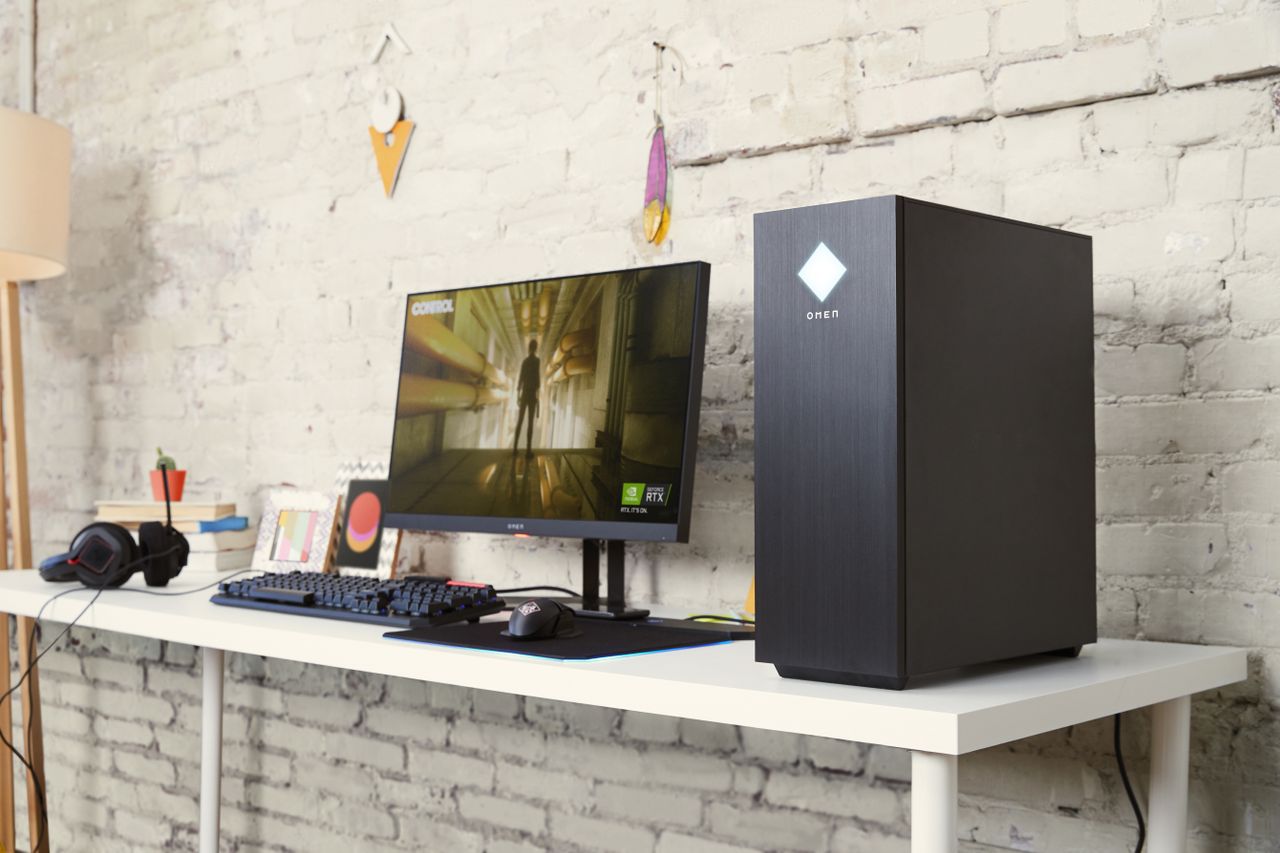
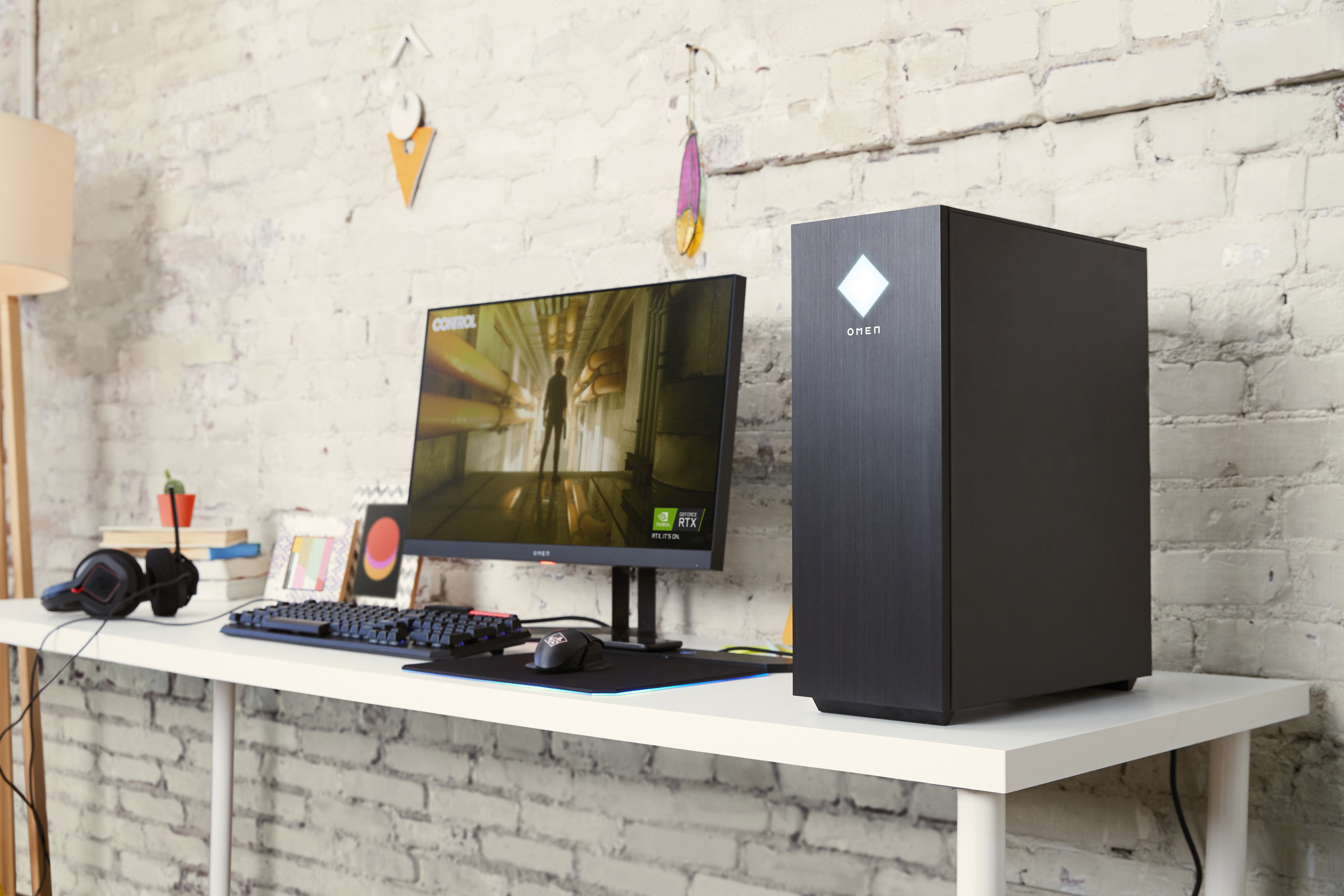
Here's another dubious milestone notched up by the memory crisis. The proportion that RAM and storage makes up of the cost of producing an HP PC has doubled this year to 35%.
Specifically, HP's CFO Karen Parkhill was speaking to the usual gathering of highly remunerated bean counters on the company's quarterly earnings call yesterday and spoke thusly:
"To put this in a little bit more concrete terms, we did share last quarter that memory and storage costs made up roughly 15% to 18% of our PC bill of materials and we now currently estimate this to be roughly 35% for the year," Parkhill said.
HP's interim CEO Bruce Broussard also noted that HP is taking steps to smooth out the supply side of the memory crisis as much as possible.
"First, on the supply side, we have leveraged the strength of our supplier relationships and secured long-term agreements covering our memory requirements for fiscal '26. We've qualified new suppliers, built in strategic inventory positions for key platforms and cut the time to qualify new material in half to accelerate our product configuration changes," Broussard said.
While it's not entirely explicit, that certainly reads like HP has likely roped in new suppliers for RAM and NAND flash memory chips. Chinese suppliers? Maybe.
In the meantime, it seems the memory crisis has yet to hit HP's bottom line. HP's personal systems division reported $10.3 billion revenue, up 11% year-on-year, while consumer PC sales were up by 14% and corporate PC sales increased by 9%.
Keep up to date with the most important stories and the best deals, as picked by the PC Gamer team.
Ironically, given that it's AI causing the run on RAM and storage, HP said that demand for AI PCs was driving part of that uptick in sales. "This quarter, AI PC is accounted for over 35% and of our PC shipments, up from 30% in the prior quarter and 25% a quarter before," Broussard said.
"I think there are 2 tailwinds, which we are most encouraged with. We've spoken about this, which is Windows 11 and AI PCs, but more importantly, they are giving us a lot of confidence that the demand will continue," Parkhill added, while HP's President of Personal Systems, Ketan Patel, said, "AI PCs have started to deliver results with more and more ISVs developing applications, which are [running] locally and more effectively than ever before."
Of course, you could argue these most recent figures cover a period that precedes the most damaging impact of the memory crisis. Indeed, some customers probably brought ...Read more: Full article on www.pcgamer.com
What do you think about this?
When you purchase through links on our site, we may earn an affiliate commission. Here’s how it works.
Keep up to date with the most important stories and the best deals, as picked by the PC Gamer team.
You are now subscribed
Your newsletter sign-up was successful
Want to add more newsletters?
Your weekly update on everything you could ever want to know about the games you already love, games we know you're going to love in the near future, and tales from the communities that surround them.
Our special GTA 6 newsletter, with breaking news, insider info, and rumor analysis from the award-winning GTA 6 O'clock experts.
From the creators of Edge: A weekly videogame industry newsletter with analysis from expert writers, guidance from professionals, and insight into what's on the horizon.
Hardware nerds unite, sign up to our free tech newsletter for a weekly digest of the hottest new tech, the latest gadgets on the test bench, and much more.
Sign up to our new Switch 2 newsletter, where we bring you the latest talking points on Nintendo's new console each week, bring you up to date on the news, and recommend what games to play.
Subscribe for a weekly digest of the movie and TV news that matters, direct to your inbox. From first-look trailers, interviews, reviews and explainers, we've got you covered.
Get sneak previews, exclusive competitions and details of special events each month!
Here's another dubious milestone notched up by the memory crisis. The proportion that RAM and storage makes up of the cost of producing an HP PC has doubled this year to 35%.
Specifically, HP's CFO Karen Parkhill was speaking to the usual gathering of highly remunerated bean counters on the company's quarterly earnings call yesterday and spoke thusly:
"To put this in a little bit more concrete terms, we did share last quarter that memory and storage costs made up roughly 15% to 18% of our PC bill of materials and we now currently estimate this to be roughly 35% for the year," Parkhill said.
HP's interim CEO Bruce Broussard also noted that HP is taking steps to smooth out the supply side of the memory crisis as much as possible.
"First, on the supply side, we have leveraged the strength of our supplier relationships and secured long-term agreements covering our memory requirements for fiscal '26. We've qualified new suppliers, built in strategic inventory positions for key platforms and cut the time to qualify new material in half to accelerate our product configuration changes," Broussard said.
While it's not entirely explicit, that certainly reads like HP has likely roped in new suppliers for RAM and NAND flash memory chips. Chinese suppliers? Maybe.
In the meantime, it seems the memory crisis has yet to hit HP's bottom line. HP's personal systems division reported $10.3 billion revenue, up 11% year-on-year, while consumer PC sales were up by 14% and corporate PC sales increased by 9%.
Keep up to date with the most important stories and the best deals, as picked by the PC Gamer team.
Ironically, given that it's AI causing the run on RAM and storage, HP said that demand for AI PCs was driving part of that uptick in sales. "This quarter, AI PC is accounted for over 35% and of our PC shipments, up from 30% in the prior quarter and 25% a quarter before," Broussard said.
"I think there are 2 tailwinds, which we are most encouraged with. We've spoken about this, which is Windows 11 and AI PCs, but more importantly, they are giving us a lot of confidence that the demand will continue," Parkhill added, while HP's President of Personal Systems, Ketan Patel, said, "AI PCs have started to deliver results with more and more ISVs developing applications, which are [running] locally and more effectively than ever before."
Of course, you could argue these most recent figures cover a period that precedes the most damaging impact of the memory crisis. Indeed, some customers probably brought ...Read more: Full article on www.pcgamer.com
What do you think about this?