
TheRetroArcade
Veteran
Posts: 9,819
Joined: Feb 2026
Joined: Feb 2026
New Blood, Failbetter and Abandoned Sheep on being falsely accused of generating their own art
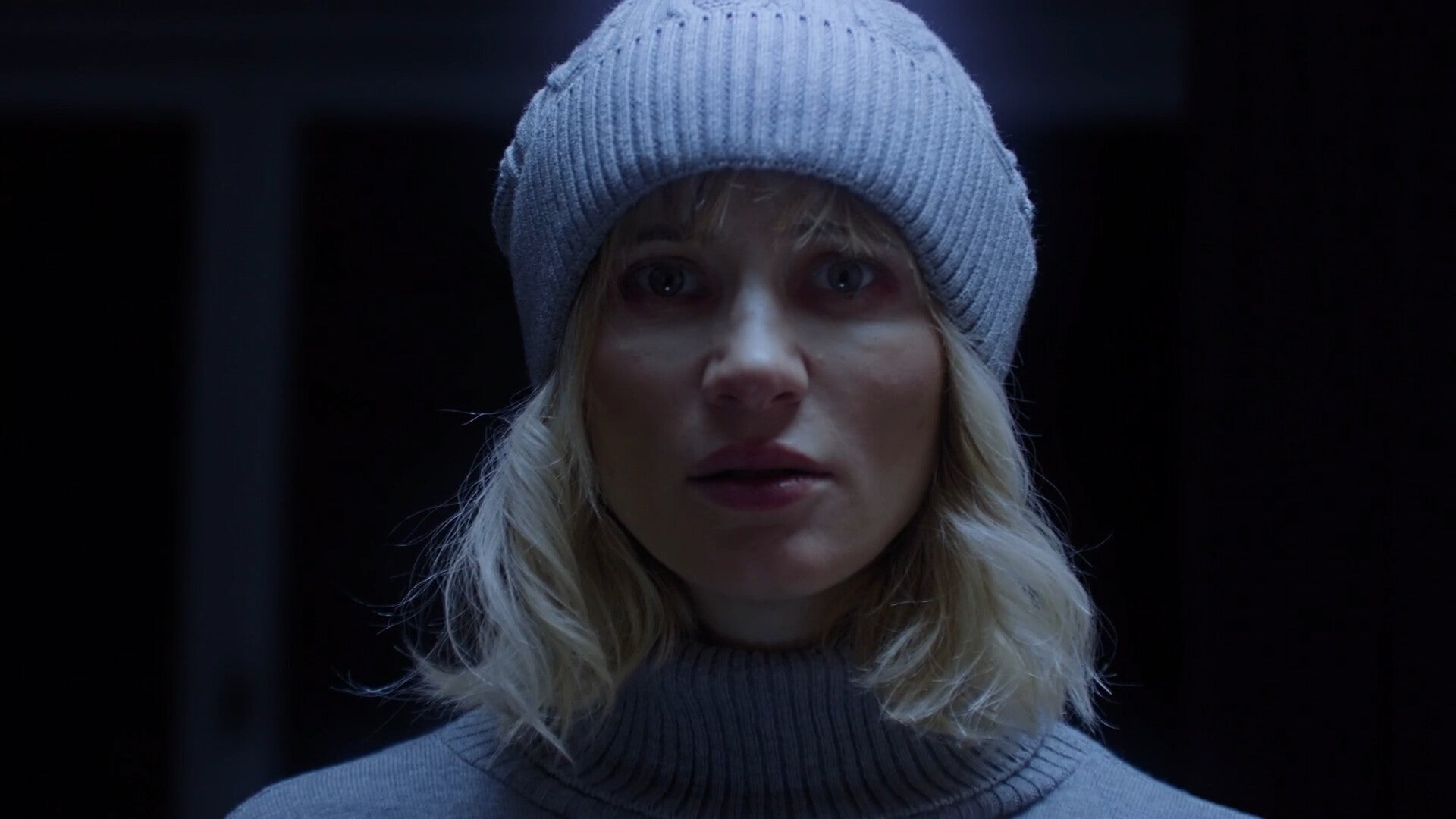
The era of generative AI has kindled an era of generative AI witchhunts. It's routine right now for videogame developers to fend off accusations of using the technology, even when they are full-throated in their disapproval of ChatGPT, Claude and their ilk. Recent examples include Sandustry, the 2D factory builder from Hooded Horse with strangely haunting physics, and the just-announced Humankind 2, whose creators Amplitude have rushed to assure players that their announcement trailer is genuine live action film.
The conversation reflects a shifting idea of what AI-generated imagery 'looks like' - shifting because, strictly speaking, AI-generated imagery has no fixed style or quality. It's derived from whatever data the model is 'fed'. The confusion is exacerbated by the fact that the technology is changing, with new or updated buzzwordy tools being added to the pile. Established hallmarks of generated imagery go out of date fast. Meanwhile, generative AI's advocates muddy the waters, conflating tools and framing their capabilities in ludicrously open-ended, investor-baiting terms. Still, some responsibility falls on regular users who've become accustomed to chucking around claims of "AI slop".
Over the past few weeks, I've been chatting to game developers and artists who've been falsely accused of using genAI for visual art in particular, while also trying to understand why, exactly, their images and videos attracted suspicion. It's been a funny journey, both depressing and at times uplifting. The difficulty of identifying generated imagery at a glance is a political and social priority that goes far beyond videogames – genAI fakes are routinely used to manipulate people and foment conspiracies, including racist and xenophobic narratives about the "great replacement". We need to become better at spotting the snakeoil salesmen in our midst. But more positively, learning how to spot genAI is also the act of improving your visual and technical literacy. It's a process of becoming more intimate with art that captivates us.
Hannah Flynn, comms director for Fallen London and Sunless Skies developers Failbetter, is used to getting flak online. "Most of my job is concerned with putting our games in front of new people," she tells me over email. "Success in my efforts means attention on us, which has always been a double-edged sword (I'm grateful that it's been a while since someone asked me for feet pics, though I fear it's never far from happening again). It’s a new development, though, that if a video gets shared widely or we have a big announcement, we're guaranteed to get asked whether or not we're using genAI."
Failbetter have a statement on the website for their flagship literary text-me-do Fallen London, swearing off any and all generative AI usage in their games. "Some of [the] comments represent genuine concern from our community, who've maybe read our AI statement and are worried that we've reneged on it, or violated it accidentally," Flynn goes on. "I don't mind reassuring our community personally; reservations about the quality of genAI’s outputs aside, we take a lot of pleasure in our craft and no one here is interested in switching career to AI wrangler." More bothersome, she says, are the "social media fly-bys from people who don’t seem invested in our games or the studio".

New Blood Interactive CEO David Oshry has also been fending off generative AI accusations. With regard to the forthcoming Tenebris Somnia, a promising horror game that combines top-down pixelart with live action film, New Blood eventually created a behind-the-scenes video showing off the creation of some props to shut down claims that they had been coughed up by a chatbot. I emailed Oshry to ask whether this was a pre-emptive gesture, or a response to some specific allegations. "LOOK AT THE COMMENTS AND YOU TELL ME," he replied, sharing links to some...Read more: Full article on www.rockpapershotgun.com
What do you think about this?
The era of generative AI has kindled an era of generative AI witchhunts. It's routine right now for videogame developers to fend off accusations of using the technology, even when they are full-throated in their disapproval of ChatGPT, Claude and their ilk. Recent examples include Sandustry, the 2D factory builder from Hooded Horse with strangely haunting physics, and the just-announced Humankind 2, whose creators Amplitude have rushed to assure players that their announcement trailer is genuine live action film.
The conversation reflects a shifting idea of what AI-generated imagery 'looks like' - shifting because, strictly speaking, AI-generated imagery has no fixed style or quality. It's derived from whatever data the model is 'fed'. The confusion is exacerbated by the fact that the technology is changing, with new or updated buzzwordy tools being added to the pile. Established hallmarks of generated imagery go out of date fast. Meanwhile, generative AI's advocates muddy the waters, conflating tools and framing their capabilities in ludicrously open-ended, investor-baiting terms. Still, some responsibility falls on regular users who've become accustomed to chucking around claims of "AI slop".
Over the past few weeks, I've been chatting to game developers and artists who've been falsely accused of using genAI for visual art in particular, while also trying to understand why, exactly, their images and videos attracted suspicion. It's been a funny journey, both depressing and at times uplifting. The difficulty of identifying generated imagery at a glance is a political and social priority that goes far beyond videogames – genAI fakes are routinely used to manipulate people and foment conspiracies, including racist and xenophobic narratives about the "great replacement". We need to become better at spotting the snakeoil salesmen in our midst. But more positively, learning how to spot genAI is also the act of improving your visual and technical literacy. It's a process of becoming more intimate with art that captivates us.
Hannah Flynn, comms director for Fallen London and Sunless Skies developers Failbetter, is used to getting flak online. "Most of my job is concerned with putting our games in front of new people," she tells me over email. "Success in my efforts means attention on us, which has always been a double-edged sword (I'm grateful that it's been a while since someone asked me for feet pics, though I fear it's never far from happening again). It’s a new development, though, that if a video gets shared widely or we have a big announcement, we're guaranteed to get asked whether or not we're using genAI."
Failbetter have a statement on the website for their flagship literary text-me-do Fallen London, swearing off any and all generative AI usage in their games. "Some of [the] comments represent genuine concern from our community, who've maybe read our AI statement and are worried that we've reneged on it, or violated it accidentally," Flynn goes on. "I don't mind reassuring our community personally; reservations about the quality of genAI’s outputs aside, we take a lot of pleasure in our craft and no one here is interested in switching career to AI wrangler." More bothersome, she says, are the "social media fly-bys from people who don’t seem invested in our games or the studio".
New Blood Interactive CEO David Oshry has also been fending off generative AI accusations. With regard to the forthcoming Tenebris Somnia, a promising horror game that combines top-down pixelart with live action film, New Blood eventually created a behind-the-scenes video showing off the creation of some props to shut down claims that they had been coughed up by a chatbot. I emailed Oshry to ask whether this was a pre-emptive gesture, or a response to some specific allegations. "LOOK AT THE COMMENTS AND YOU TELL ME," he replied, sharing links to some...Read more: Full article on www.rockpapershotgun.com
What do you think about this?