
TheRetroArcade
Veteran
Posts: 12,777
Joined: Feb 2026
Joined: Feb 2026
"Maybe this apple tree is trying to tell us something."
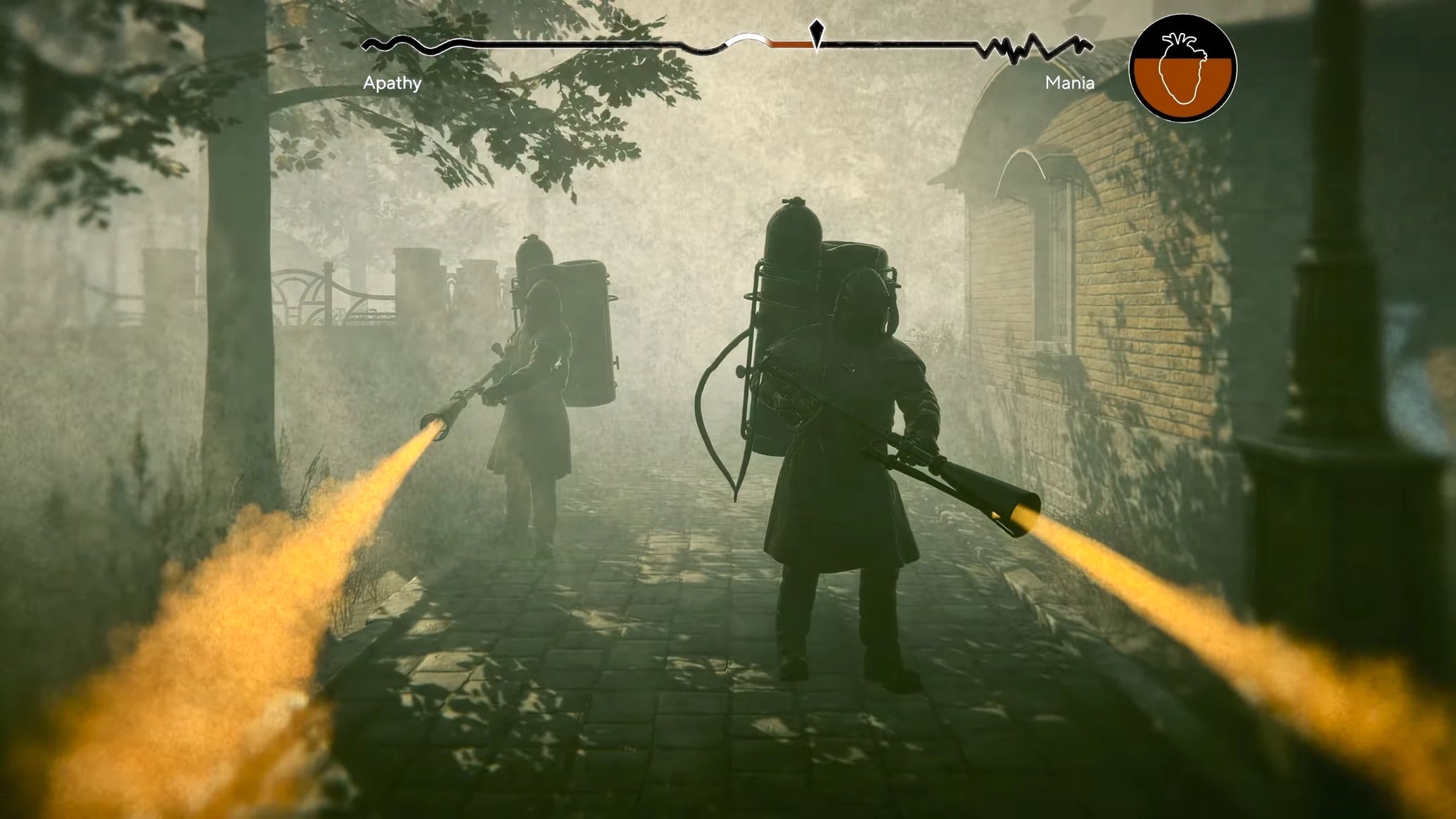
Magnificent, depressing plague colony fable Pathologic 3 has received a sizeable game update that adds some new difficulty modes, a photo feature, and some new, worryingly folkloric methods of defeating a murky embodiment of disease. Developers Ice Pick Lodge have also staunchly refused to remove an invisible apple tree, describing this apparently "famous" bug as a hallmark of a game whose "symbolic nature has almost overtaken its function as a product". This appears to be the last major update for Pathologic 3, so that invisible apple tree is staying in the game forever.
I confess, when I first read the Steam blog in question, I doubted. The thing about invisible apple trees is that they are quite easy to confuse with apple trees that are simply not there. Pathologic in general is a house of lies: as Quintin Smith (RPS in peace) put it in his legendary Butchering Pathologic trilogy, "absolutely everybody has an angle, everyone's bending the truth and trying to twist you round their fingers." Pathologic 3 especially is a purgatorial time travel story that must be continually rewritten, a crock of festering rumours enclosed by an enormous, phantom theatre. As such, I read Ice-Pick's typically professorial account of the "invisible apple tree" with intense suspicion.
"Roger Ebert, the famous film critic, once argued that video games could never be art," the devs write on Steam. "It's curious, then, that urinals and bottle racks achieved that status with hardly any struggle, thanks to Marcel Duchamp. So Myst, StarCraft, or Pathologic can't be art, but a urinal can? The distinction, perhaps, lies in function. A urinal placed in a museum stops being plumbing and becomes a symbol. A video game, on the other hand, remains a functional object. We still have to use it.

"But enough about urinals," they go on. "Let's turn to another famous work: Joseph Kosuth's One and Three Chairs. In this work, a chair is no longer simply something to sit on. Whether it's comfortable hardly matters: as a work of art, it still functions. A video game can also become a symbolic chair. But you still have to sit on it. There's a running joke that Pathologic is a great game that nobody actually plays. Somehow, it really has become something like Kosuth's symbolic chair, one nobody is obliged to sit on. Which raises a question: should we even fix Pathologic if its symbolic nature has almost overtaken its function as a product?
"Take visual bugs, for instance. Are they broken chairs you can't sit on, or artistic decisions?" Ice-Pick continue. "Consider our famous invisible apple tree. Oh, apple tree! Why are you here? What are we supposed to do with you? This is probably the most famous bug in Pathologic 3. We've received more complaints about it than almost anything else. We have to admit there were moments when we genuinely hated that tree. Are we going to fix it in this update? Perhaps not.
"After all, it's a creation of the machine," they conclude. "Somehow, the game's code produced this impossible object. And over time, our annoyance at it has begun to turn into a strange affection. Sometimes an artistic act lies not in creating something, but in the artist's decision about it. Maybe this apple tree is trying to tell us something. So the tree stays."
Aside from making me pine for a world in which, say, EA add a "hypernormalisation" slider to The Sims, or Ubisoft redefine Assassin's Creed parkour as a Situationist dérive (yes, I too have read books), the blog post filled me with confusion. I couldn't remember any invisible apple trees in Pathologic 3. I also couldn't find any English language mention of Pathologic 3's avowedly "famous" ethereal vegetation on Google or the Steam forums, save for in stories covering the game's latest update.
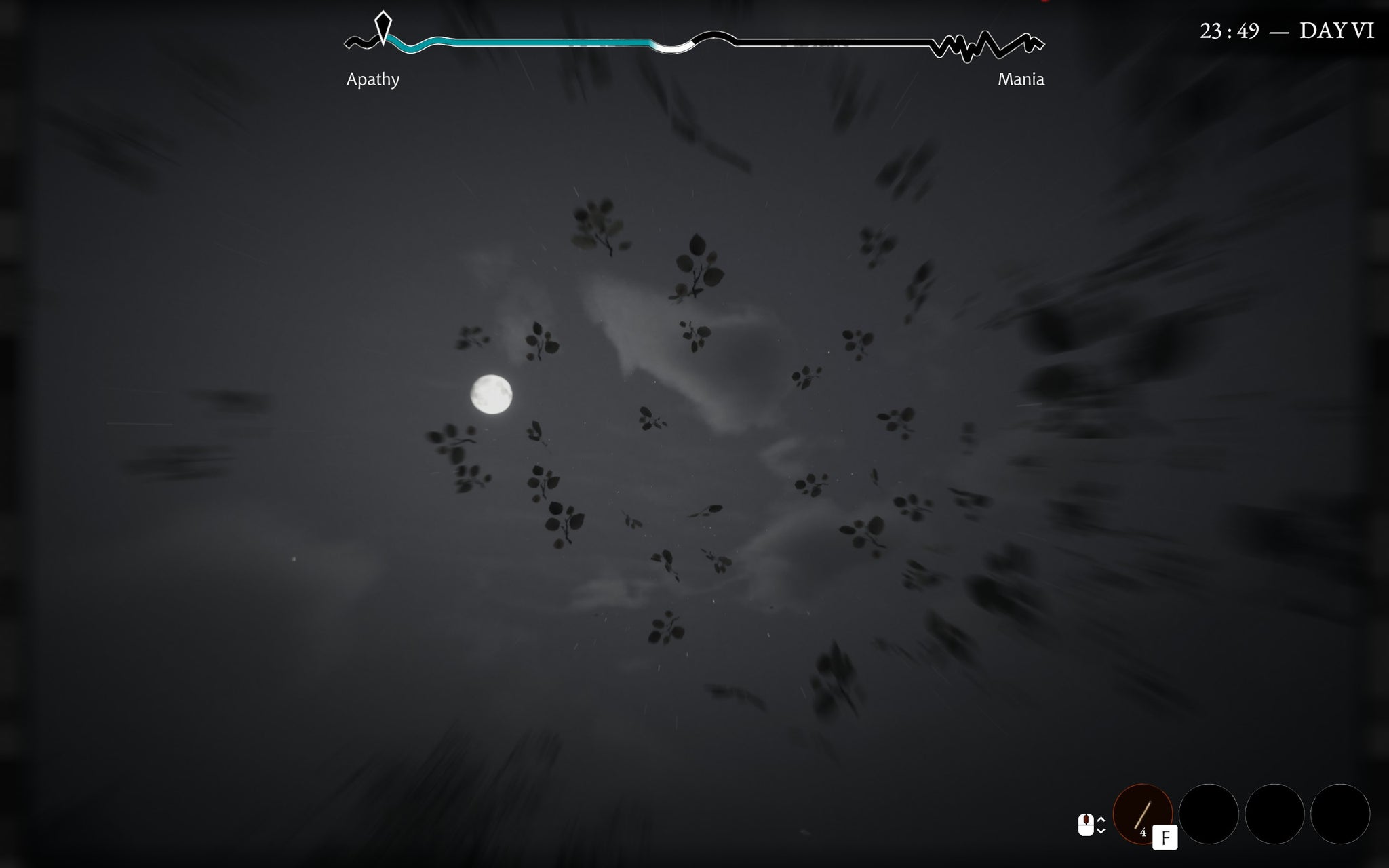
My weakness for talk of symbolism notwithstanding, I began to worry that Ice-Pick might be winding us up. And by "us", I specifically mean pathetic videoga...Read more: Full article on www.rockpapershotgun.com
What do you think about this?
Magnificent, depressing plague colony fable Pathologic 3 has received a sizeable game update that adds some new difficulty modes, a photo feature, and some new, worryingly folkloric methods of defeating a murky embodiment of disease. Developers Ice Pick Lodge have also staunchly refused to remove an invisible apple tree, describing this apparently "famous" bug as a hallmark of a game whose "symbolic nature has almost overtaken its function as a product". This appears to be the last major update for Pathologic 3, so that invisible apple tree is staying in the game forever.
I confess, when I first read the Steam blog in question, I doubted. The thing about invisible apple trees is that they are quite easy to confuse with apple trees that are simply not there. Pathologic in general is a house of lies: as Quintin Smith (RPS in peace) put it in his legendary Butchering Pathologic trilogy, "absolutely everybody has an angle, everyone's bending the truth and trying to twist you round their fingers." Pathologic 3 especially is a purgatorial time travel story that must be continually rewritten, a crock of festering rumours enclosed by an enormous, phantom theatre. As such, I read Ice-Pick's typically professorial account of the "invisible apple tree" with intense suspicion.
"Roger Ebert, the famous film critic, once argued that video games could never be art," the devs write on Steam. "It's curious, then, that urinals and bottle racks achieved that status with hardly any struggle, thanks to Marcel Duchamp. So Myst, StarCraft, or Pathologic can't be art, but a urinal can? The distinction, perhaps, lies in function. A urinal placed in a museum stops being plumbing and becomes a symbol. A video game, on the other hand, remains a functional object. We still have to use it.
"But enough about urinals," they go on. "Let's turn to another famous work: Joseph Kosuth's One and Three Chairs. In this work, a chair is no longer simply something to sit on. Whether it's comfortable hardly matters: as a work of art, it still functions. A video game can also become a symbolic chair. But you still have to sit on it. There's a running joke that Pathologic is a great game that nobody actually plays. Somehow, it really has become something like Kosuth's symbolic chair, one nobody is obliged to sit on. Which raises a question: should we even fix Pathologic if its symbolic nature has almost overtaken its function as a product?
"Take visual bugs, for instance. Are they broken chairs you can't sit on, or artistic decisions?" Ice-Pick continue. "Consider our famous invisible apple tree. Oh, apple tree! Why are you here? What are we supposed to do with you? This is probably the most famous bug in Pathologic 3. We've received more complaints about it than almost anything else. We have to admit there were moments when we genuinely hated that tree. Are we going to fix it in this update? Perhaps not.
"After all, it's a creation of the machine," they conclude. "Somehow, the game's code produced this impossible object. And over time, our annoyance at it has begun to turn into a strange affection. Sometimes an artistic act lies not in creating something, but in the artist's decision about it. Maybe this apple tree is trying to tell us something. So the tree stays."
Aside from making me pine for a world in which, say, EA add a "hypernormalisation" slider to The Sims, or Ubisoft redefine Assassin's Creed parkour as a Situationist dérive (yes, I too have read books), the blog post filled me with confusion. I couldn't remember any invisible apple trees in Pathologic 3. I also couldn't find any English language mention of Pathologic 3's avowedly "famous" ethereal vegetation on Google or the Steam forums, save for in stories covering the game's latest update.
My weakness for talk of symbolism notwithstanding, I began to worry that Ice-Pick might be winding us up. And by "us", I specifically mean pathetic videoga...Read more: Full article on www.rockpapershotgun.com
What do you think about this?