
TheRetroArcade
Veteran
Posts: 12,634
Joined: Feb 2026
Joined: Feb 2026
Ed Beach says that players "had not been given full service by the game as the way it first shipped".

When you purchase through links on our site, we may earn an affiliate commission. Here’s how it works.
The development and release of Civilization 7 has been a rollercoaster for both fans of the series and developer Firaxis. The most recent entry in the long-running 4X series shipped with an age-transition mechanic where players would switch between civilisations at multiple points during a game. It was a radical design shift that divided the community, received well by some players, but going down like a glass of cold sick with others.
Earlier this year, Firaxis introduced an update to Civilization 7 that made age transitions optional and reimplemented the traditional, single-civ mode of play. Yet according to Firaxis, this was not a decision the studio made easily, and was particularly tough for creative director Ed Beach.
This was revealed in an expansive oral history of Civilization by Polygon, which charts the trajectory of the series game by game. The roots of Civilization 7, it seems, were in a long-held frustration of series' creator Sid Meier:
"I was always frustrated by playing a Civ game and having a civilization with one period of time, where I had special abilities and special powers," Meier explains. "And for the rest of history I would just play sort of as a vanilla Civ where I didn't have anything unique about what I was doing."

This idea was carried forward by Beach, who made it a central feature of Civ 7. "I know, just as a fan of history, that all civilizations have a long lineage where the came from Rome, or they came from Greece, or they came from an African civilization or a Mesoamerican civilization, and all those cultures were all very unique in history," Beach says. "Why can't I capitalise on that and be able to have something cool and unique and fun about myself throughout all of history?"
However, as noted by executive producer Dennis Shirk, Civilization 7 ended up "polarising the audience" when it was released, particularly disliked by veteran fans of the series. "Our hardcore players that have been around since Civ 1 didn't necessarily want that direction. They wanted to play the same thing and have that fantasy of playing it nonstop straight through."
In the end, Firaxis decided to fold Civ's traditional play structure back into Civiliation 7 via the Test of Time update, though Beach admits this decision was made with some reluctance. "The Test of Time update was personally challenging for me because it wasn't part of the original vision of the game," he says. "But it was clear that a lot of fans wanted to be able to say, 'I started as a certain set of people and I want to see their story all the way through.'
Keep up to date with the most important stories and the best deals, as picked by the PC Gamer team.
"That was a vision we needed to get back into the game, because people definitely wanted to play that way and they had not been given full service by the game as the way it first shipped."
Unlike with the base game, Firaxis conducted several public workshops while developing Test of Time, using the feedback to shape the update. Beach describes this experience as a "good process for us" and one that Firaxis is keen to use in future. "We want to keep those types of engagements with the fans going and bring the workshop back whenever we need to."
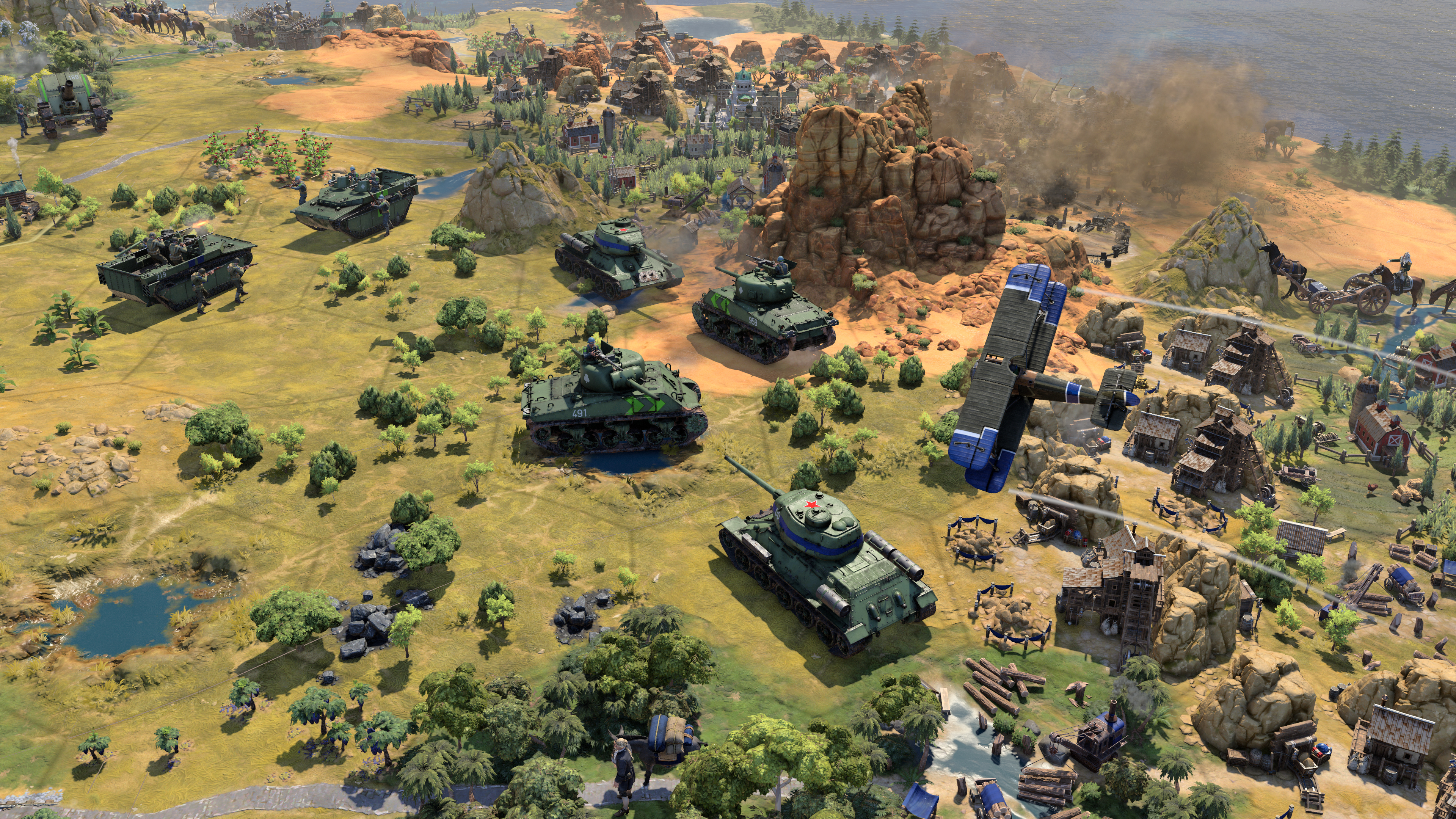
Firaxis seems to consider Test of Time a big success, with Beach saying he "knew it was going to be well received" because of the workshop. Yet the update doesn't seem to have done much to shift the consensus on Civ 7, with Steam reviews remaining decidedly mixed. Firaxis is currently working on a new update designed to coincide with the launch of Civ 7's first DLC, Earthrise, so perhaps that combination might help shunt the game's reputation to be closer in line with previous entries in the series. But as described by Shirk, there does seem...Read more: Full article on www.pcgamer.com
What do you think about this?
When you purchase through links on our site, we may earn an affiliate commission. Here’s how it works.
The development and release of Civilization 7 has been a rollercoaster for both fans of the series and developer Firaxis. The most recent entry in the long-running 4X series shipped with an age-transition mechanic where players would switch between civilisations at multiple points during a game. It was a radical design shift that divided the community, received well by some players, but going down like a glass of cold sick with others.
Earlier this year, Firaxis introduced an update to Civilization 7 that made age transitions optional and reimplemented the traditional, single-civ mode of play. Yet according to Firaxis, this was not a decision the studio made easily, and was particularly tough for creative director Ed Beach.
This was revealed in an expansive oral history of Civilization by Polygon, which charts the trajectory of the series game by game. The roots of Civilization 7, it seems, were in a long-held frustration of series' creator Sid Meier:
"I was always frustrated by playing a Civ game and having a civilization with one period of time, where I had special abilities and special powers," Meier explains. "And for the rest of history I would just play sort of as a vanilla Civ where I didn't have anything unique about what I was doing."
This idea was carried forward by Beach, who made it a central feature of Civ 7. "I know, just as a fan of history, that all civilizations have a long lineage where the came from Rome, or they came from Greece, or they came from an African civilization or a Mesoamerican civilization, and all those cultures were all very unique in history," Beach says. "Why can't I capitalise on that and be able to have something cool and unique and fun about myself throughout all of history?"
However, as noted by executive producer Dennis Shirk, Civilization 7 ended up "polarising the audience" when it was released, particularly disliked by veteran fans of the series. "Our hardcore players that have been around since Civ 1 didn't necessarily want that direction. They wanted to play the same thing and have that fantasy of playing it nonstop straight through."
In the end, Firaxis decided to fold Civ's traditional play structure back into Civiliation 7 via the Test of Time update, though Beach admits this decision was made with some reluctance. "The Test of Time update was personally challenging for me because it wasn't part of the original vision of the game," he says. "But it was clear that a lot of fans wanted to be able to say, 'I started as a certain set of people and I want to see their story all the way through.'
Keep up to date with the most important stories and the best deals, as picked by the PC Gamer team.
"That was a vision we needed to get back into the game, because people definitely wanted to play that way and they had not been given full service by the game as the way it first shipped."
Unlike with the base game, Firaxis conducted several public workshops while developing Test of Time, using the feedback to shape the update. Beach describes this experience as a "good process for us" and one that Firaxis is keen to use in future. "We want to keep those types of engagements with the fans going and bring the workshop back whenever we need to."
Firaxis seems to consider Test of Time a big success, with Beach saying he "knew it was going to be well received" because of the workshop. Yet the update doesn't seem to have done much to shift the consensus on Civ 7, with Steam reviews remaining decidedly mixed. Firaxis is currently working on a new update designed to coincide with the launch of Civ 7's first DLC, Earthrise, so perhaps that combination might help shunt the game's reputation to be closer in line with previous entries in the series. But as described by Shirk, there does seem...Read more: Full article on www.pcgamer.com
What do you think about this?