
TheRetroArcade
Veteran
Posts: 12,590
Joined: Feb 2026
Joined: Feb 2026
Too easy, too hard, or just right?
When you purchase through links on our site, we may earn an affiliate commission. Here’s how it works.
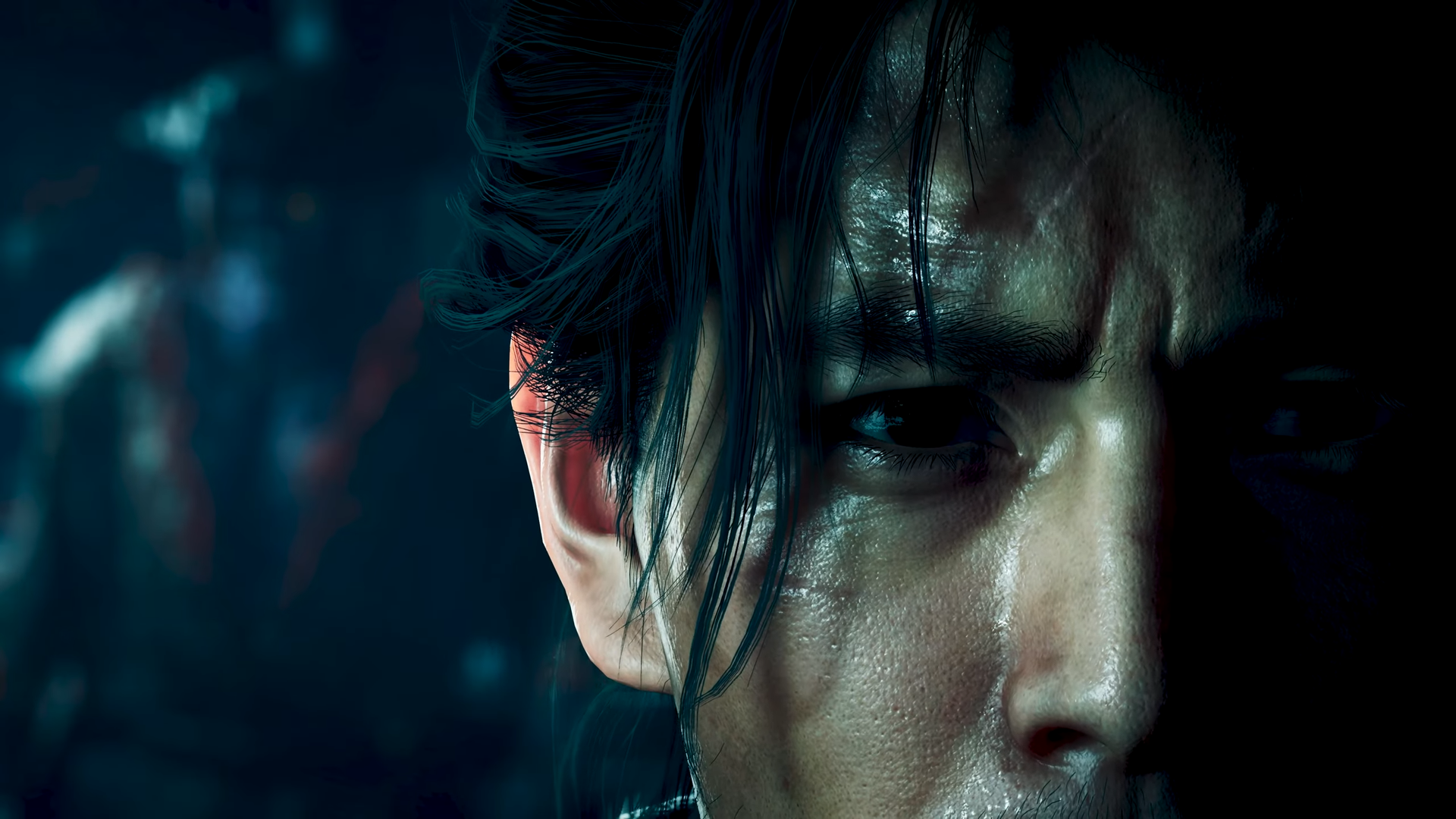
One of the big topics of conversation around Onimusha: Way of the Sword when it released last month—and even before that, when Capcom first put out a demo of the game—was whether it was too easy. Viral clips of early game enemies standing around doing nothing gave the impression of a woefully easy game for action fans coming from the likes of Sekiro, Nioh or Ninja Gaiden. Once I played the full game, I found those fears mostly unfounded, but it's true that Onimusha's basic enemies pose little threat compared to its bosses, and mostly serve as fodder for you to cut through as you explore.
Way of the Sword's harder difficulty option being locked behind beating the campaign didn't necessarily endear the game to hardcore action players, either, so I'm not shocked that one of the most popular downloads on the game's Nexusmods page is one that amps up enemy aggression.
But I still mostly loved Onimusha, and didn't find myself craving the brutal difficulty of Sekiro or Nioh while I was playing it. With more than a month of hindsight to see how players have studied the blade, Capcom also seems pretty happy with the level of challenge it settled on.
"We've been looking at the data that comes back from people playing, so we can see where people are struggling and how they're progressing through the game. What we've seen in the trends in the data is that it's to what we set out to achieve, in terms of difficulty," director Satoru Nihei said in an interview with PC Gamer.
Nihei elaborated that Capcom has observed players being able to progress through the story, but not entirely without friction.

"There are points where they do stumble, they do die, they do get defeated. But they're able to overcome that and progress. That was what we set out to achieve in terms of pitching the difficulty for the game: We wanted players to be able to progress through the story, but also have some challenge to it, so they get a sense of satisfaction from defeating enemies. It was never an intention for this game to be a particularly difficult game, like those other games you mentioned. We think it's hit the right spot in terms of the difficulty, in terms of where we wanted to place it."
My biggest criticism of Way of the Sword was its length, rather than its level of challenge. Its swordplay feels so good that I don't mind being able to run into a group of hapless enemies milling around the hub world of Kyoto and cut them down in a few seconds, but I did tire of Kyoto's generic sidequests, samey streets and how many times the game ultimately trotted out repeats of some of its boss fights.
Keep up to date with the most important stories and the best deals, as picked by the PC Gamer team.
Nihei said that Capcom has noted that feedback from other players, too. Ultimately the size of the game came from the priorities the dev team set out to meet early in development.
"We really wanted to have a game that was around the 20 hour mark. We didn't want to have a title that would be too small, but also looking at open world games that are 40 hours-plus, we didn't want to drag it out to that extent. So from the beginning there was this clear goal of … a mostly linear experience, and then we have the exploration elements for people who want to engage with them. That was what we set out to shoot for in terms of giving players enough volume to enjoy."
As for how many times you fight bosses like Byakue and Dohatsu-ten?
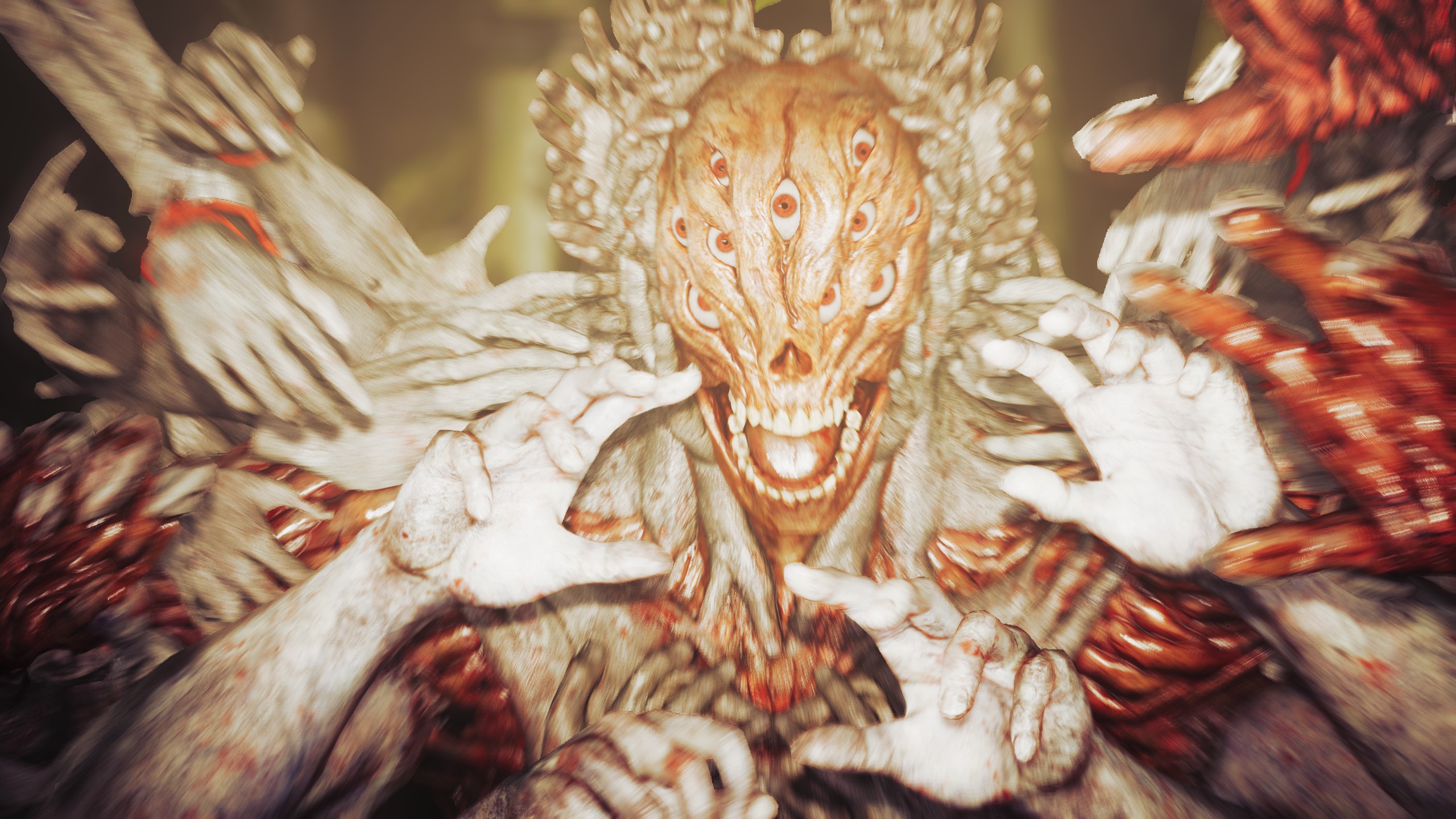
"We understand that some people might find fighting the same bosses to be a little draining, and it would've obviously been nice for us to be able to make a greater variety of bosses," Nihei said. "But also, at Capcom we want to make these very engaging, fun encounters that people can enjoy fighting again and again and again, so that was what we were aiming for when we created those bosses. But we've d...Read more: Full article on www.pcgamer.com
What do you think about this?
When you purchase through links on our site, we may earn an affiliate commission. Here’s how it works.
One of the big topics of conversation around Onimusha: Way of the Sword when it released last month—and even before that, when Capcom first put out a demo of the game—was whether it was too easy. Viral clips of early game enemies standing around doing nothing gave the impression of a woefully easy game for action fans coming from the likes of Sekiro, Nioh or Ninja Gaiden. Once I played the full game, I found those fears mostly unfounded, but it's true that Onimusha's basic enemies pose little threat compared to its bosses, and mostly serve as fodder for you to cut through as you explore.
Way of the Sword's harder difficulty option being locked behind beating the campaign didn't necessarily endear the game to hardcore action players, either, so I'm not shocked that one of the most popular downloads on the game's Nexusmods page is one that amps up enemy aggression.
But I still mostly loved Onimusha, and didn't find myself craving the brutal difficulty of Sekiro or Nioh while I was playing it. With more than a month of hindsight to see how players have studied the blade, Capcom also seems pretty happy with the level of challenge it settled on.
"We've been looking at the data that comes back from people playing, so we can see where people are struggling and how they're progressing through the game. What we've seen in the trends in the data is that it's to what we set out to achieve, in terms of difficulty," director Satoru Nihei said in an interview with PC Gamer.
Nihei elaborated that Capcom has observed players being able to progress through the story, but not entirely without friction.
"There are points where they do stumble, they do die, they do get defeated. But they're able to overcome that and progress. That was what we set out to achieve in terms of pitching the difficulty for the game: We wanted players to be able to progress through the story, but also have some challenge to it, so they get a sense of satisfaction from defeating enemies. It was never an intention for this game to be a particularly difficult game, like those other games you mentioned. We think it's hit the right spot in terms of the difficulty, in terms of where we wanted to place it."
My biggest criticism of Way of the Sword was its length, rather than its level of challenge. Its swordplay feels so good that I don't mind being able to run into a group of hapless enemies milling around the hub world of Kyoto and cut them down in a few seconds, but I did tire of Kyoto's generic sidequests, samey streets and how many times the game ultimately trotted out repeats of some of its boss fights.
Keep up to date with the most important stories and the best deals, as picked by the PC Gamer team.
Nihei said that Capcom has noted that feedback from other players, too. Ultimately the size of the game came from the priorities the dev team set out to meet early in development.
"We really wanted to have a game that was around the 20 hour mark. We didn't want to have a title that would be too small, but also looking at open world games that are 40 hours-plus, we didn't want to drag it out to that extent. So from the beginning there was this clear goal of … a mostly linear experience, and then we have the exploration elements for people who want to engage with them. That was what we set out to shoot for in terms of giving players enough volume to enjoy."
As for how many times you fight bosses like Byakue and Dohatsu-ten?
"We understand that some people might find fighting the same bosses to be a little draining, and it would've obviously been nice for us to be able to make a greater variety of bosses," Nihei said. "But also, at Capcom we want to make these very engaging, fun encounters that people can enjoy fighting again and again and again, so that was what we were aiming for when we created those bosses. But we've d...Read more: Full article on www.pcgamer.com
What do you think about this?