
TheRetroArcade
Veteran
Posts: 1,997
Joined: Feb 2026
Joined: Feb 2026
Prizing immersion and effort above all, this is a demanding, but very rewarding, RPG.
PC Gamer's got your back
Our experienced team dedicates many hours to every review, to really get to the heart of what matters most to you. Find out more about how we evaluate games and hardware.
What is it? An immersive RPG with an emphasis on personal note-taking.Release date: Mar 5, 2026Expect to pay: $20/£17Developer: Hannah and Joseph GamesPublisher: Hannah and Joseph GamesReviewed on: Intel Core Ultra 9 275HX, RTX 5090 (laptop), 64GB RAMSteam Deck: PlayableLink: Official site
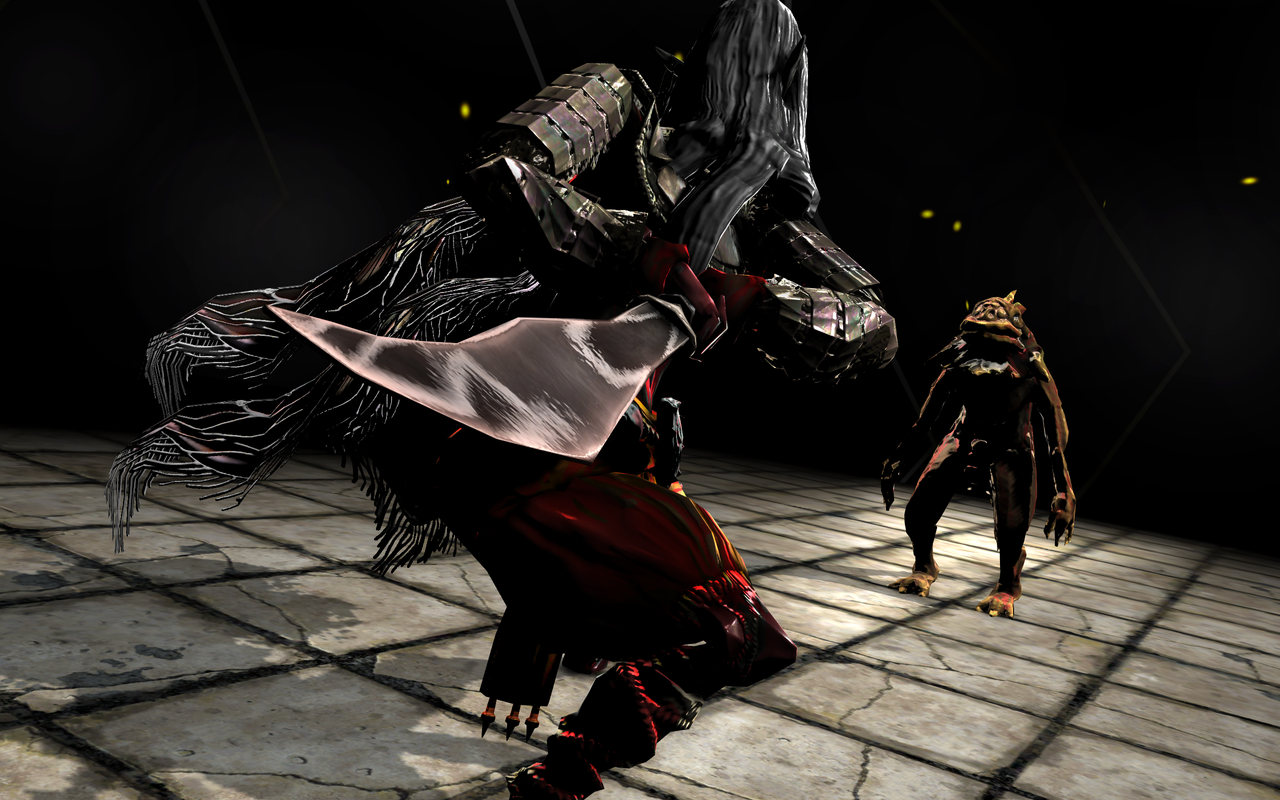
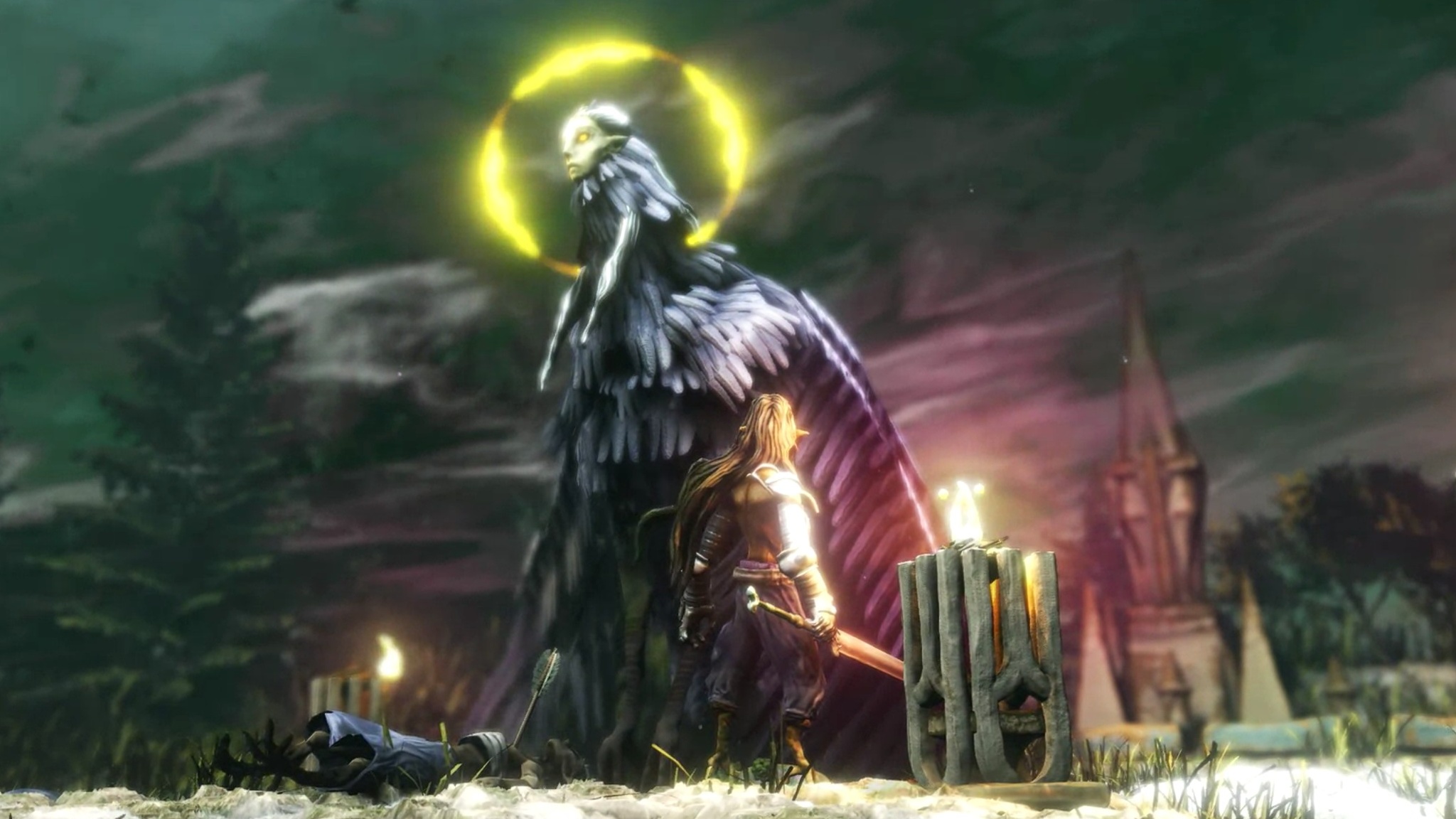
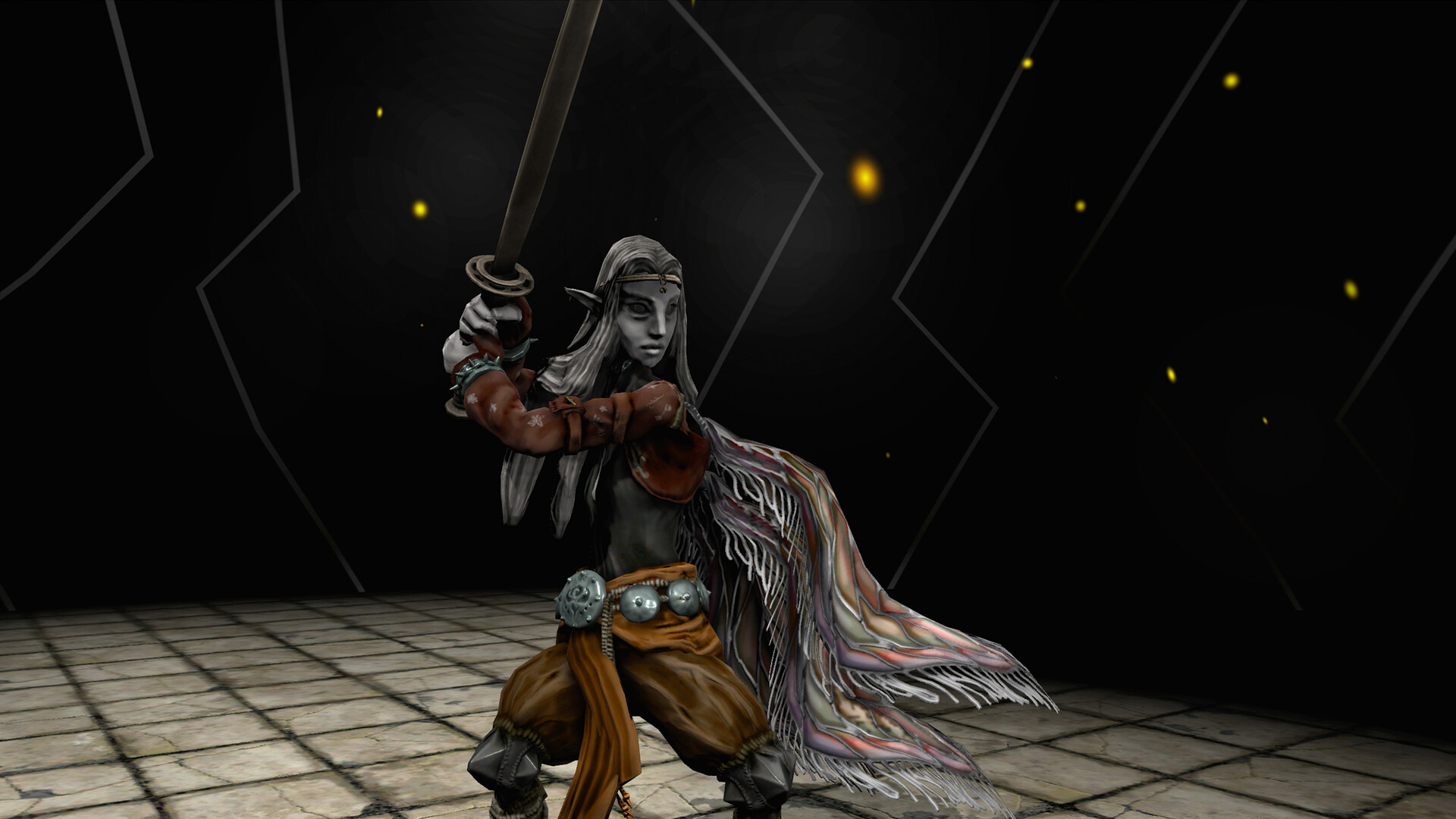
Banquet for Fools' opening drops me straight in at the deep end, a blood-soaked fight for survival against festival-goers gone mad while I'm surrounded by piles of corpses, given a gentle kiss by… I'm not even sure what that kindly oversized bird-person was, actually, and then shoved three centuries into the future without apology or explanation. After creating my own questing party filled with people and skills that largely reject familiar RPG stereotypes, I'm plunged into a memorably unique land filled with its own imaginative little phrases ("Topa-din!" is a common greeting), and a surprisingly detailed social structure that I haven't got a hope of grasping yet.
It's about now I realise that "trying to uncover why everyone in the nearby Din Varens settlement have gone missing" and something about "reaching a lighthouse" isn't as specific as I normally like my RPGs to be. Still, I suppose it would be unreasonable for a quest-giver to supply me and my party of random pub-going guards with details about an unexplained mystery. No problem, I'll check my quest log.
There isn't one.
There isn't a conversation history tab either. Or a "Go here" marker on the map. There is a notes section, but it's completely empty. Because I haven't typed any notes in it yet. Myself. With my own fingers.
This freeform adventure not only expects but demands my active participation; if I want to remember the location of somewhere on the regional map I have to type it in myself. If I want to create a customised magical spell then I'll have to name it and then draw its icon by hand. What little information I am given to keep is found on elaborate scrolls and hand drawn pieces of paper I must keep by if I want to refer back to them later, the value and meaning of these sketchy scribbles and meandering passages left for me to decipher.
Clear paths are rare and signposts even more so, leaving success (and survival) largely in my own hands.
It's a daunting prospect, but one that quickly encourages a slower, more attentive mindset. I have no choice but to become fully invested in this society and the people within it. I can't help but notice how much they worry about their upcoming peppura harvest as I pass by, and I even remember what time of day the guard captain I want to talk to stands by the front gate. I come to appreciate the work of each settlement's wandering ghost-repelling chanter, because I'm not going to get very far without their help.
My travels across this barely settled land follow a similar tempo, giving me the choice of either walking to wherever I need to go, with every route taken a conscious decision, or rowing there by boat, which isn't all that different in terms of the time and thought required. The biggest convenience the game's prepared to offer is a network of boat services, though the geography of the landscape means not every boatsman can take me to every port. Of course, not every town has a port, and the fare is at times steep enough to make me think twice.
Keep up to date with the most important stories and the best deals, as picked by the PC Gamer team.
This friction transforms travel itself into an event, even if I've already found every treasure and killed every bandit in the area. Clear paths are rare and signposts even more so, leaving success (and survival) largely in my own hands. It really does feel like I'm alone in the wilderness—...Read more: Full article on www.pcgamer.com
What do you think about this?
PC Gamer's got your back
Our experienced team dedicates many hours to every review, to really get to the heart of what matters most to you. Find out more about how we evaluate games and hardware.
What is it? An immersive RPG with an emphasis on personal note-taking.Release date: Mar 5, 2026Expect to pay: $20/£17Developer: Hannah and Joseph GamesPublisher: Hannah and Joseph GamesReviewed on: Intel Core Ultra 9 275HX, RTX 5090 (laptop), 64GB RAMSteam Deck: PlayableLink: Official site
Banquet for Fools' opening drops me straight in at the deep end, a blood-soaked fight for survival against festival-goers gone mad while I'm surrounded by piles of corpses, given a gentle kiss by… I'm not even sure what that kindly oversized bird-person was, actually, and then shoved three centuries into the future without apology or explanation. After creating my own questing party filled with people and skills that largely reject familiar RPG stereotypes, I'm plunged into a memorably unique land filled with its own imaginative little phrases ("Topa-din!" is a common greeting), and a surprisingly detailed social structure that I haven't got a hope of grasping yet.
It's about now I realise that "trying to uncover why everyone in the nearby Din Varens settlement have gone missing" and something about "reaching a lighthouse" isn't as specific as I normally like my RPGs to be. Still, I suppose it would be unreasonable for a quest-giver to supply me and my party of random pub-going guards with details about an unexplained mystery. No problem, I'll check my quest log.
There isn't one.
There isn't a conversation history tab either. Or a "Go here" marker on the map. There is a notes section, but it's completely empty. Because I haven't typed any notes in it yet. Myself. With my own fingers.
This freeform adventure not only expects but demands my active participation; if I want to remember the location of somewhere on the regional map I have to type it in myself. If I want to create a customised magical spell then I'll have to name it and then draw its icon by hand. What little information I am given to keep is found on elaborate scrolls and hand drawn pieces of paper I must keep by if I want to refer back to them later, the value and meaning of these sketchy scribbles and meandering passages left for me to decipher.
Clear paths are rare and signposts even more so, leaving success (and survival) largely in my own hands.
It's a daunting prospect, but one that quickly encourages a slower, more attentive mindset. I have no choice but to become fully invested in this society and the people within it. I can't help but notice how much they worry about their upcoming peppura harvest as I pass by, and I even remember what time of day the guard captain I want to talk to stands by the front gate. I come to appreciate the work of each settlement's wandering ghost-repelling chanter, because I'm not going to get very far without their help.
My travels across this barely settled land follow a similar tempo, giving me the choice of either walking to wherever I need to go, with every route taken a conscious decision, or rowing there by boat, which isn't all that different in terms of the time and thought required. The biggest convenience the game's prepared to offer is a network of boat services, though the geography of the landscape means not every boatsman can take me to every port. Of course, not every town has a port, and the fare is at times steep enough to make me think twice.
Keep up to date with the most important stories and the best deals, as picked by the PC Gamer team.
This friction transforms travel itself into an event, even if I've already found every treasure and killed every bandit in the area. Clear paths are rare and signposts even more so, leaving success (and survival) largely in my own hands. It really does feel like I'm alone in the wilderness—...Read more: Full article on www.pcgamer.com
What do you think about this?