
TheRetroArcade
Veteran
Posts: 13,475
Joined: Feb 2026
Joined: Feb 2026
A little patch of blue sky on a grey day
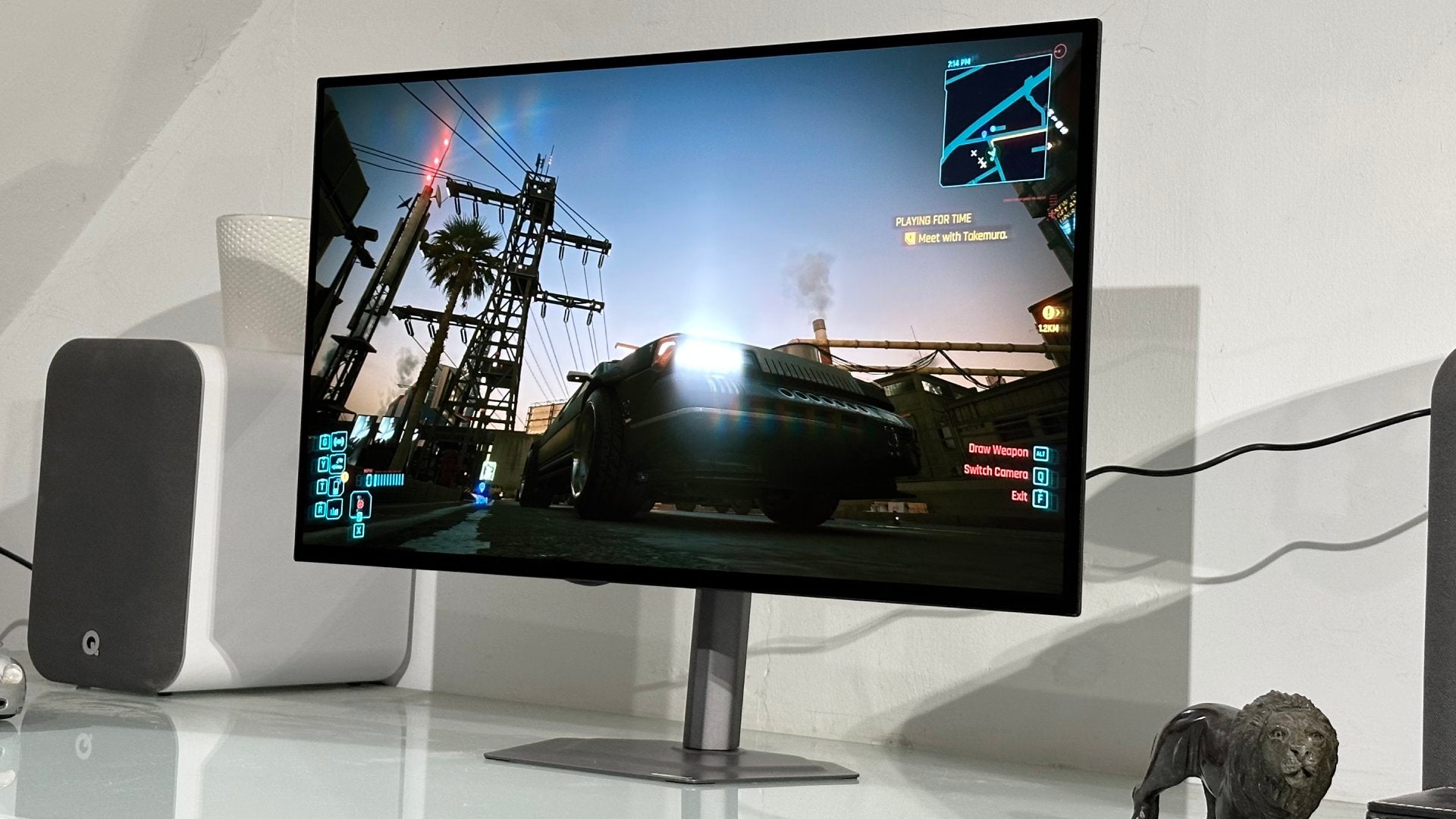
Hello, good local-time-zone-adjusted afternoon, and let's just say it's been a while. But I come back to you now at the turn of the technological tide. Well, sort of. Sadly I'm not here to predict an end to the ridiculous AI-fuelled chip crisis. That whole mess has a couple of years to run, surely.
Instead I speak of screens, where there is actually some very good news. In short, have you seen how cheap PC gaming monitors are? I mean remarkably, almost stupendously, cheap. I'm talking £60 / $60 for an entry-level 1080p panel with triple-digit refresh rate, sub-£200 / $250 for high-refresh 4K gaming. Heck, even OLED monitors now start with a "2" in both currencies.
Also bear in mind we've had a fair old bit of inflation in recent years. A 4K panel bought today for £200 is equivalent to paying roughly £150 back in 2020. All the while, that same £200 / $200 right now won't buy you a current-model gaming graphics card at all, even the most feeble example, and will barely secure a basic dual-channel 16GB DDR5 memory kit. Youch.
So, I think we can all agree monitors are cheap in the current chip-catastrophe context. The immediate question is why? The answer isn't all that complicated, actually. Most obviously, the display market isn't being devoured by the AI craze. All those data centres are stuffed with GPUs, memory chips and NAND flash, not monitors.

By way of example, one of the largest new AI data centres on Earth is Microsoft's new Fairwater site in Mount Pleasant, Wisconsin. It's thought to pack hundreds of thousands of Nvidia Blackwell GPUs. The cost doesn't bear thinking about, but those GPUs are built into what's known as "headless" server racks. In other words, they have no screens at all. Ultimately, the key compute hardware is all managed remotely, in which capacity the Fairwater facility is reported to currently have around 375 employees. If we generously assume each has two PC monitors, that's only 750 for the entire site.
AI isn't really driving demand on the end-user side of the equation, either. Put it this way: you don't need to buy a new phone, laptop or PC to access the latest models. At the same time, the display market is suffering from something of a glut of overcapacity. Chinese companies built out huge capacity in LCD panel manufacturing over the past decade, to the extent factories are now running underutilised. Meanwhile, even the OLED market is arguably oversupplied.
In fact, Samsung and LG, the two big noises in large OLED panel manufacturing (as opposed to OLED displays for tablets and phones), have been shifting emphasis away from TV panels to PC monitors because the latter offer better margins. Meanwhile, the AI boom has almost definitely meant lower demand for new PCs. Certainly, the big research houses point to cratering PC sales thanks to higher component costs. Long story short, that's oodles of capacity combined with weakening demand. Like I said, the explanation for cheap monitors isn't exactly rocket surgery, if you know what I mean.
What is a bit more complicated is making sense of what's available today in the gaming monitor market. With so much choice, where exactly is the very best value to be found? And are there any remaining pain points?
Monitor specifications, to be sure, can be tricksy at the best of times. But if you're looking for some blanket rules to fling casually over the whole LCD monitor market - I'll be digging deeper into OLED tech another day - try these for size. Look for, at minimum, 300 nits brightness and 1ms response times. Refresh rates are a slightly more complicated call, but for the vast majority of games, 144Hz is plenty. For "esports-grade multiplayer fare like Counter-Strike or Dota 2, or I think a refresh in the high 200s will get the job done for most. If you'll benefit from more than that, you almost certainly know who you are already.
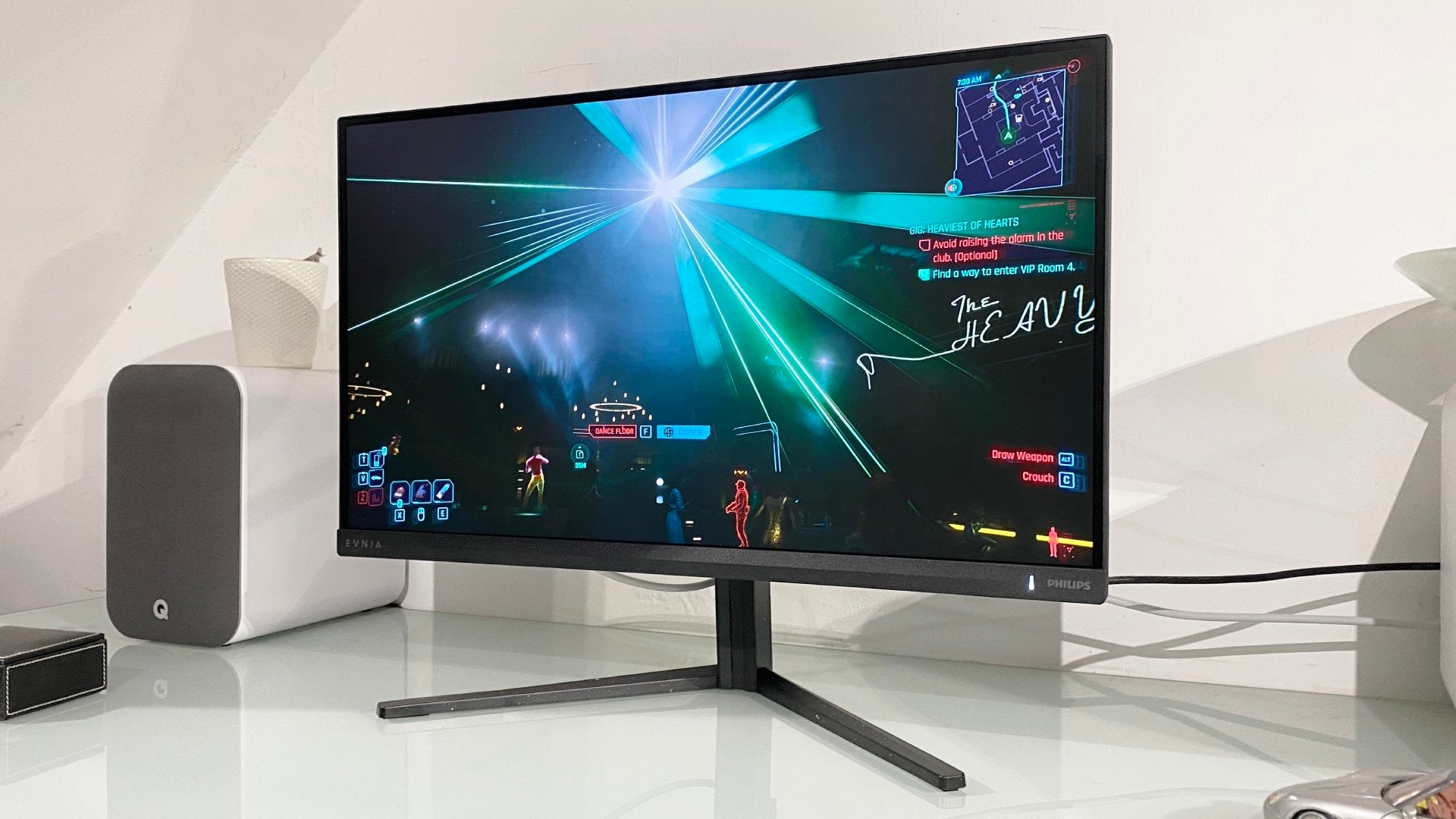
Oh, and heavily favour IPS over VA panels. Exceptions exist: there are so...Read more: Full article on www.rockpapershotgun.com
What do you think about this?
Hello, good local-time-zone-adjusted afternoon, and let's just say it's been a while. But I come back to you now at the turn of the technological tide. Well, sort of. Sadly I'm not here to predict an end to the ridiculous AI-fuelled chip crisis. That whole mess has a couple of years to run, surely.
Instead I speak of screens, where there is actually some very good news. In short, have you seen how cheap PC gaming monitors are? I mean remarkably, almost stupendously, cheap. I'm talking £60 / $60 for an entry-level 1080p panel with triple-digit refresh rate, sub-£200 / $250 for high-refresh 4K gaming. Heck, even OLED monitors now start with a "2" in both currencies.
Also bear in mind we've had a fair old bit of inflation in recent years. A 4K panel bought today for £200 is equivalent to paying roughly £150 back in 2020. All the while, that same £200 / $200 right now won't buy you a current-model gaming graphics card at all, even the most feeble example, and will barely secure a basic dual-channel 16GB DDR5 memory kit. Youch.
So, I think we can all agree monitors are cheap in the current chip-catastrophe context. The immediate question is why? The answer isn't all that complicated, actually. Most obviously, the display market isn't being devoured by the AI craze. All those data centres are stuffed with GPUs, memory chips and NAND flash, not monitors.
By way of example, one of the largest new AI data centres on Earth is Microsoft's new Fairwater site in Mount Pleasant, Wisconsin. It's thought to pack hundreds of thousands of Nvidia Blackwell GPUs. The cost doesn't bear thinking about, but those GPUs are built into what's known as "headless" server racks. In other words, they have no screens at all. Ultimately, the key compute hardware is all managed remotely, in which capacity the Fairwater facility is reported to currently have around 375 employees. If we generously assume each has two PC monitors, that's only 750 for the entire site.
AI isn't really driving demand on the end-user side of the equation, either. Put it this way: you don't need to buy a new phone, laptop or PC to access the latest models. At the same time, the display market is suffering from something of a glut of overcapacity. Chinese companies built out huge capacity in LCD panel manufacturing over the past decade, to the extent factories are now running underutilised. Meanwhile, even the OLED market is arguably oversupplied.
In fact, Samsung and LG, the two big noises in large OLED panel manufacturing (as opposed to OLED displays for tablets and phones), have been shifting emphasis away from TV panels to PC monitors because the latter offer better margins. Meanwhile, the AI boom has almost definitely meant lower demand for new PCs. Certainly, the big research houses point to cratering PC sales thanks to higher component costs. Long story short, that's oodles of capacity combined with weakening demand. Like I said, the explanation for cheap monitors isn't exactly rocket surgery, if you know what I mean.
What is a bit more complicated is making sense of what's available today in the gaming monitor market. With so much choice, where exactly is the very best value to be found? And are there any remaining pain points?
Monitor specifications, to be sure, can be tricksy at the best of times. But if you're looking for some blanket rules to fling casually over the whole LCD monitor market - I'll be digging deeper into OLED tech another day - try these for size. Look for, at minimum, 300 nits brightness and 1ms response times. Refresh rates are a slightly more complicated call, but for the vast majority of games, 144Hz is plenty. For "esports-grade multiplayer fare like Counter-Strike or Dota 2, or I think a refresh in the high 200s will get the job done for most. If you'll benefit from more than that, you almost certainly know who you are already.
Oh, and heavily favour IPS over VA panels. Exceptions exist: there are so...Read more: Full article on www.rockpapershotgun.com
What do you think about this?