
TheRetroArcade
Veteran
Posts: 13,430
Joined: Feb 2026
Joined: Feb 2026
A tantalising tease.
When you purchase through links on our site, we may earn an affiliate commission. Here’s how it works.
AMD has revealed a substantial amount of detail on its next-gen Zen 6 CPU architecture, in the form of a technical deep dive on its newly-unveiled EPYC "Venice" range of server chips.
These models will find themselves buried deep within data centers, but the Zen 6 architecture itself looks extremely promising for next-gen Ryzen desktop processors—and quite possibly, your next gaming CPU.
Current Zen 5 CCDs with full-fat performance cores max out at eight cores per chiplet, but a single Zen 6 CCD, based on TSMC’s cutting-edge N2P node, is stuffed with 12 of the beasties—alongside 4 MB of L3 cache per core, the same as Zen 5. That adds up to a total of 48 MB of L3 cache per CCD, as opposed to the 32 MB you'd find on an 8-core Zen 5 chip (via Techpowerup).
A current gen Zen 5 CPU with more than eight cores has to spread them across two CCDs, which can result in latency as the two communicate with each other during multi-threaded tasks. With the upped core count per CCD, a 12-core Zen 6 chip would face no such performance penalty.
It's the "c" core counts that have received the biggest jump in density, though. These aren't the same as Intel's Efficiency cores, instead amounting to scaled down performance cores designed to take up less die space and spread the workload during heavily multi-threaded tasks.
Zen 5c
Zen 6c
Zen 5
Zen 6
Cores per complex
16
32
8
12
L3 cache per core
2 MB
4 MB
4 MB
4 MB
L3 total per complex
32 MB
128 MB
32 MB
48 MB
Maximum frequency
3.7 GHz
4.1 GHz
5.0 GHz
5.2 GHz
Maximum cores
192
256
64
96
In the case of Zen 6c, 32 cores can be squeezed onto a single core complex, double that of a Zen 5 equivalent. The L3 cache per Zen 6c core has been upped, too, from 2 MB per core to 4 MB. That means a fully-stocked 32-core Zen 6c complex ends up with a stonking 128 MB of L3 cache to play with, quadruple that of a maxed-out Zen 5c version.
In terms of clock speeds, the full-fat Zen 6 cores on a Venice server chip have a maximum clock frequency of 5.3 GHz, while the Zen 6c cores top out at 4.1 GHz. Rumours suggest the eventual Zen 6-based Ryzen desktop chips will top out much higher than that, potentially above 6 GHz, although we'll have to wait and see in that regard.
The PC Gamer Circuit Breaker newsletter breaks down the latest PC gaming tech, and finds you the best deals on the best products
AMD has also improved Zen 6's branch prediction, with optimized prediction tables and larger prediction queues, while the return address stack has also been buffed from 52 to 64 entries, alongside two branch predictions per cycle. In essence, Zen 6 should be better at anticipating instructions, and should also recover faster from errors. The reorder buffer, integer physical register, and operation cache sizes have been increased, too.
AMD claims up to a 27% increase in Zen 6's instructions per clock (IPC) performance compared to Zen 5 in certain server workloads. That's a pretty massive uplift, and could bode well for whatever consumer chips we end up receiving based around the architecture.
Speaking of which, I'd imagine many of you are curious about the addition of AMD's all-singing, all-dancing 3D V-Cache to this potent new design. Well, one of its new Venice chips is called the Venice-X 9006X SP7, and variants go all the way up to 96 cores with 1152 MB of L3 cache. That's 144 MB of L3 cache for every 12-core CCD, which works out at 48 MB of traditional cache alongside 96 MB of stacked 3D V-Cache.

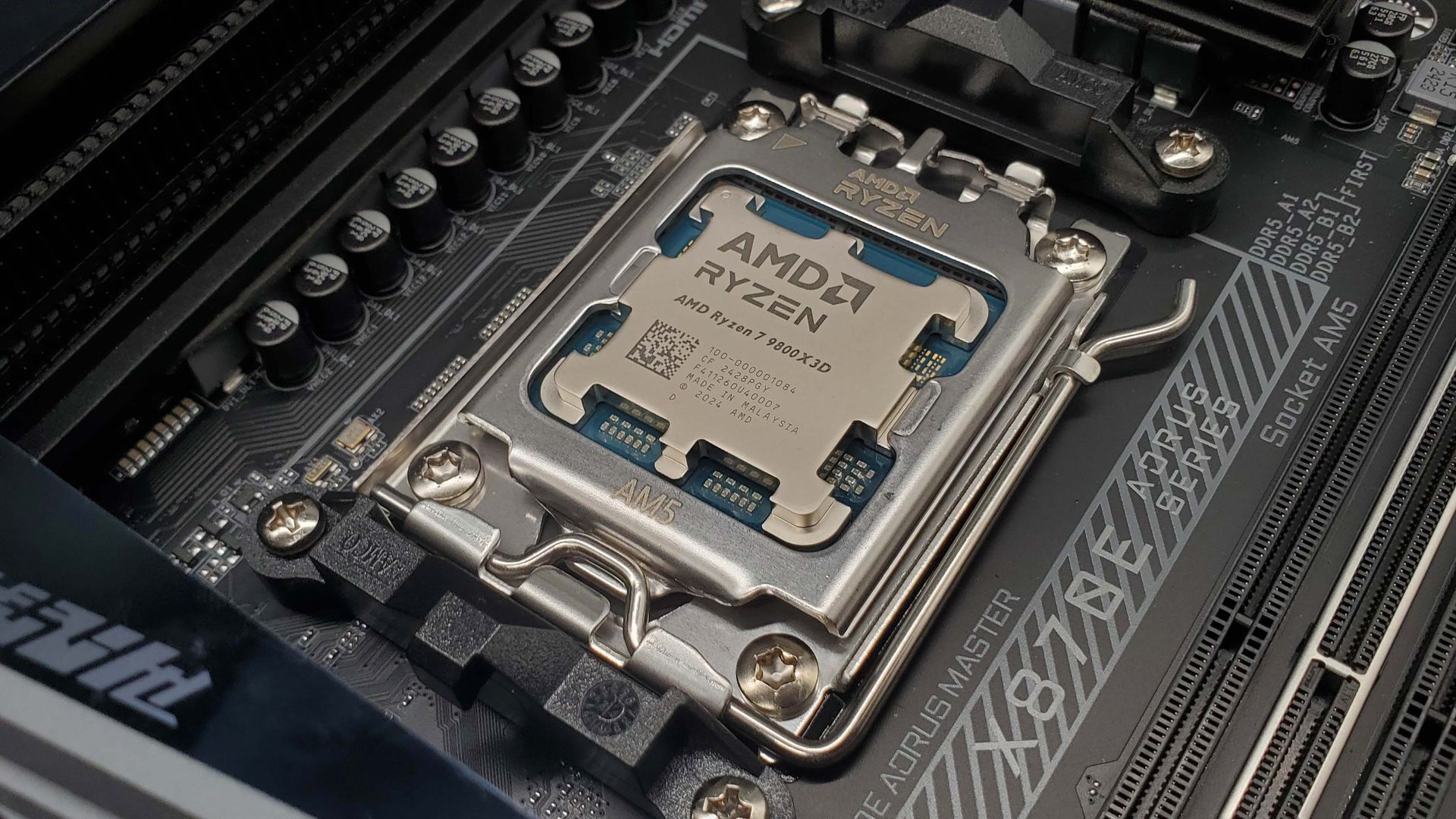
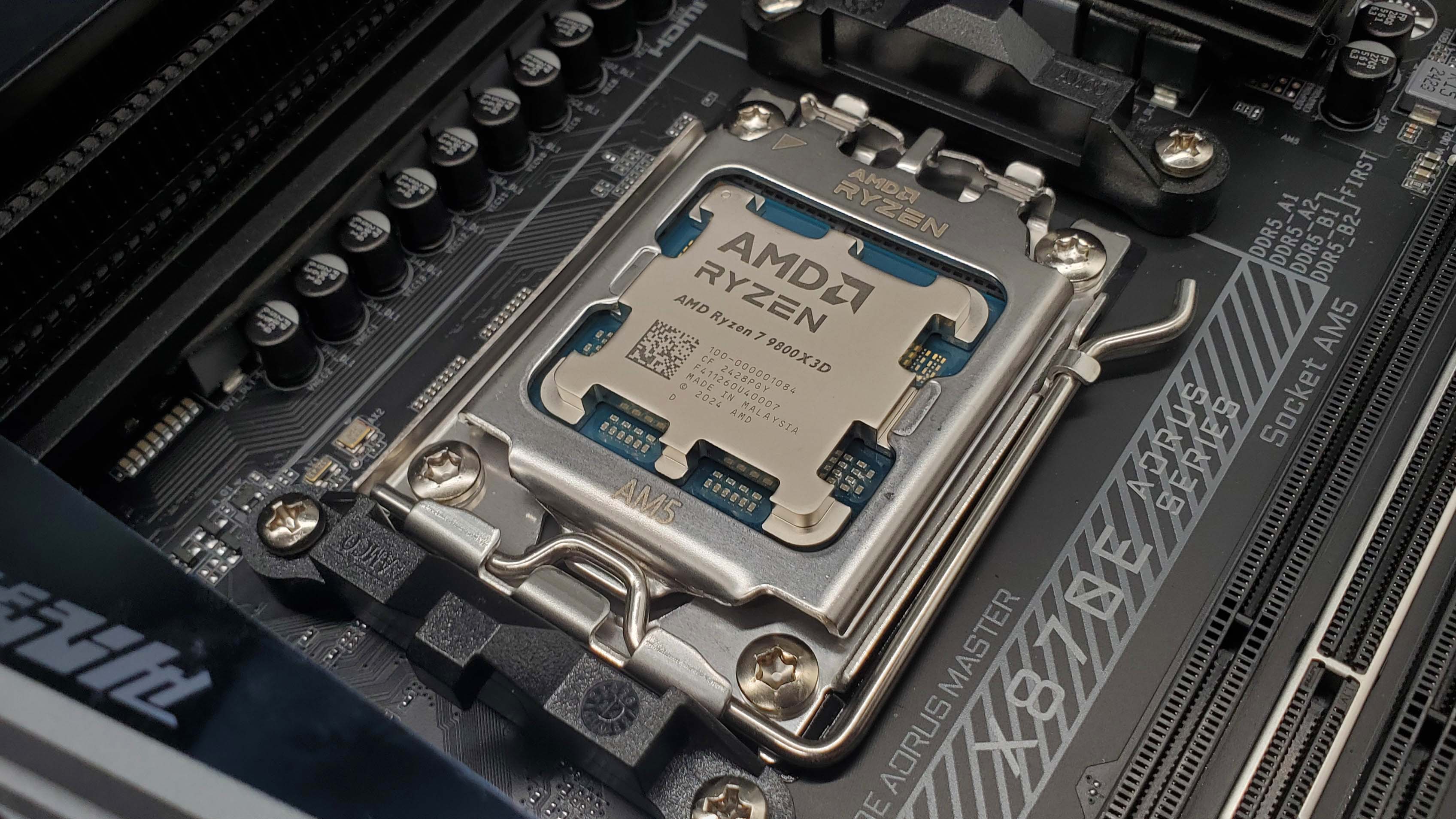
To put that into perspective, the eight-core Ryzen 7 9800X3D (our best gaming CPU pick, no less) has 96 MB of L3 cache in total, with 64 MB being made up of 3D V-Cache. And that's a beastly gaming chip. Many games enjoy the benefits of all that cache sitting so to the cores, so the prospect of a 12-core successor with 144 MB of L3 cache sitting on board is enough...Read more: Full article on www.pcgamer.com
What do you think about this?
When you purchase through links on our site, we may earn an affiliate commission. Here’s how it works.
AMD has revealed a substantial amount of detail on its next-gen Zen 6 CPU architecture, in the form of a technical deep dive on its newly-unveiled EPYC "Venice" range of server chips.
These models will find themselves buried deep within data centers, but the Zen 6 architecture itself looks extremely promising for next-gen Ryzen desktop processors—and quite possibly, your next gaming CPU.
Current Zen 5 CCDs with full-fat performance cores max out at eight cores per chiplet, but a single Zen 6 CCD, based on TSMC’s cutting-edge N2P node, is stuffed with 12 of the beasties—alongside 4 MB of L3 cache per core, the same as Zen 5. That adds up to a total of 48 MB of L3 cache per CCD, as opposed to the 32 MB you'd find on an 8-core Zen 5 chip (via Techpowerup).
A current gen Zen 5 CPU with more than eight cores has to spread them across two CCDs, which can result in latency as the two communicate with each other during multi-threaded tasks. With the upped core count per CCD, a 12-core Zen 6 chip would face no such performance penalty.
It's the "c" core counts that have received the biggest jump in density, though. These aren't the same as Intel's Efficiency cores, instead amounting to scaled down performance cores designed to take up less die space and spread the workload during heavily multi-threaded tasks.
Zen 5c
Zen 6c
Zen 5
Zen 6
Cores per complex
16
32
8
12
L3 cache per core
2 MB
4 MB
4 MB
4 MB
L3 total per complex
32 MB
128 MB
32 MB
48 MB
Maximum frequency
3.7 GHz
4.1 GHz
5.0 GHz
5.2 GHz
Maximum cores
192
256
64
96
In the case of Zen 6c, 32 cores can be squeezed onto a single core complex, double that of a Zen 5 equivalent. The L3 cache per Zen 6c core has been upped, too, from 2 MB per core to 4 MB. That means a fully-stocked 32-core Zen 6c complex ends up with a stonking 128 MB of L3 cache to play with, quadruple that of a maxed-out Zen 5c version.
In terms of clock speeds, the full-fat Zen 6 cores on a Venice server chip have a maximum clock frequency of 5.3 GHz, while the Zen 6c cores top out at 4.1 GHz. Rumours suggest the eventual Zen 6-based Ryzen desktop chips will top out much higher than that, potentially above 6 GHz, although we'll have to wait and see in that regard.
The PC Gamer Circuit Breaker newsletter breaks down the latest PC gaming tech, and finds you the best deals on the best products
AMD has also improved Zen 6's branch prediction, with optimized prediction tables and larger prediction queues, while the return address stack has also been buffed from 52 to 64 entries, alongside two branch predictions per cycle. In essence, Zen 6 should be better at anticipating instructions, and should also recover faster from errors. The reorder buffer, integer physical register, and operation cache sizes have been increased, too.
AMD claims up to a 27% increase in Zen 6's instructions per clock (IPC) performance compared to Zen 5 in certain server workloads. That's a pretty massive uplift, and could bode well for whatever consumer chips we end up receiving based around the architecture.
Speaking of which, I'd imagine many of you are curious about the addition of AMD's all-singing, all-dancing 3D V-Cache to this potent new design. Well, one of its new Venice chips is called the Venice-X 9006X SP7, and variants go all the way up to 96 cores with 1152 MB of L3 cache. That's 144 MB of L3 cache for every 12-core CCD, which works out at 48 MB of traditional cache alongside 96 MB of stacked 3D V-Cache.
To put that into perspective, the eight-core Ryzen 7 9800X3D (our best gaming CPU pick, no less) has 96 MB of L3 cache in total, with 64 MB being made up of 3D V-Cache. And that's a beastly gaming chip. Many games enjoy the benefits of all that cache sitting so to the cores, so the prospect of a 12-core successor with 144 MB of L3 cache sitting on board is enough...Read more: Full article on www.pcgamer.com
What do you think about this?